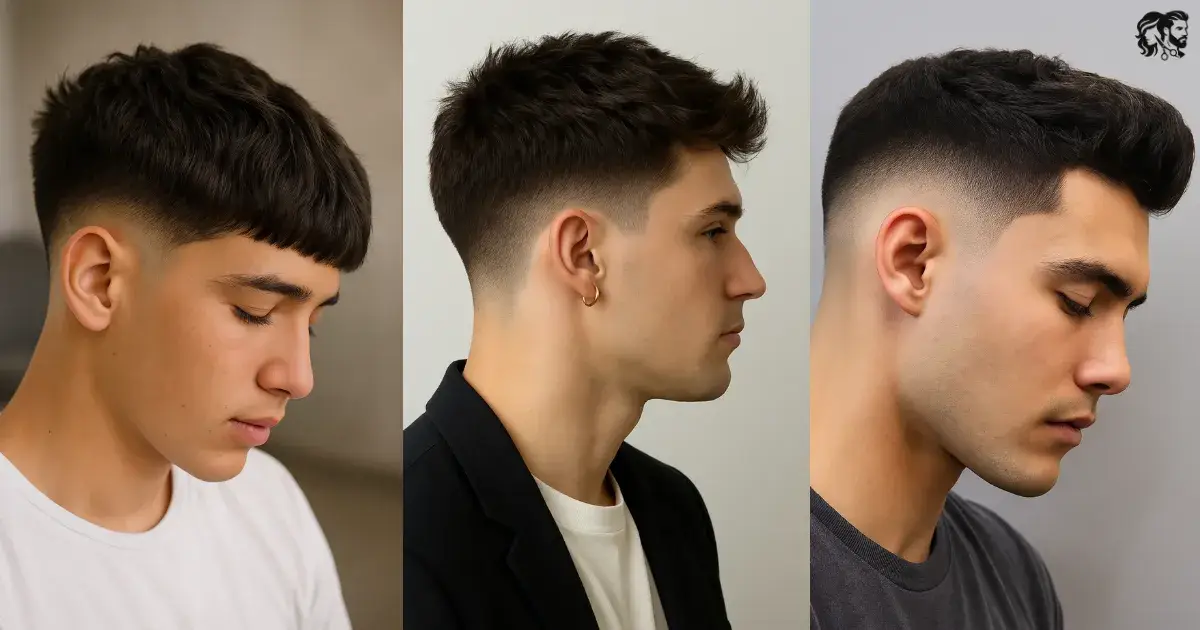
When clients ask me about the low fade, mid fade, and high fade, I always explain that each fade creates a different vibe even though they all follow the same idea of taking the sides and back shorter while keeping longer hair on top. A fade is a popular men’s haircut because it blends gradually into the skin, giving a clean and fresh look that works for almost any style or personality. The magic lies in how the fading begins and how the overall aesthetic feels once the cut is finished.
From my experience behind the chair, a low fade gives you that subtle, classically handsome look with a softer, more professional finish. A mid fade is more balanced, creating a stylish transition that feels both modern and classic at the same time. Then you’ve got the high fade, which is the most bold and edgy, instantly sharpening the profile and giving the haircut a crisp shape that really transforms a client’s appearance.
Each version has its own key features, but they all depend on precision and solid technical work. A good barber knows how to turn a simple idea into a modern cut that fits your lifestyle. When I cut these variations, I always focus on how the fade supports the rest of the look, so the result feels clean, confident, and true to your personal style.
What Is a Low Fade?
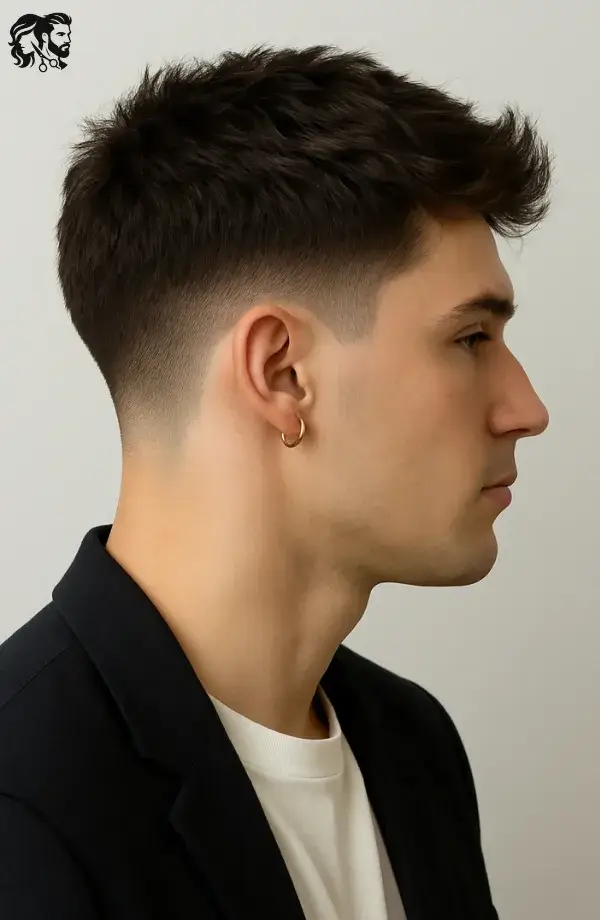
A low fade is a classy haircut that keeps things clean and subtle. The fade starts close to the ear and gradually transitions upward, creating a soft, gradual blend that still works with longer hair on top. It’s an understated choice with a light contrast, which is why business professionals and guys who prefer a conservative look reach for it. When I cut a classic low fade, I’m usually working with clippers, guards, and a trimmer to shape a smooth flow that stays just above the ears and curves around the head without any drastic change.
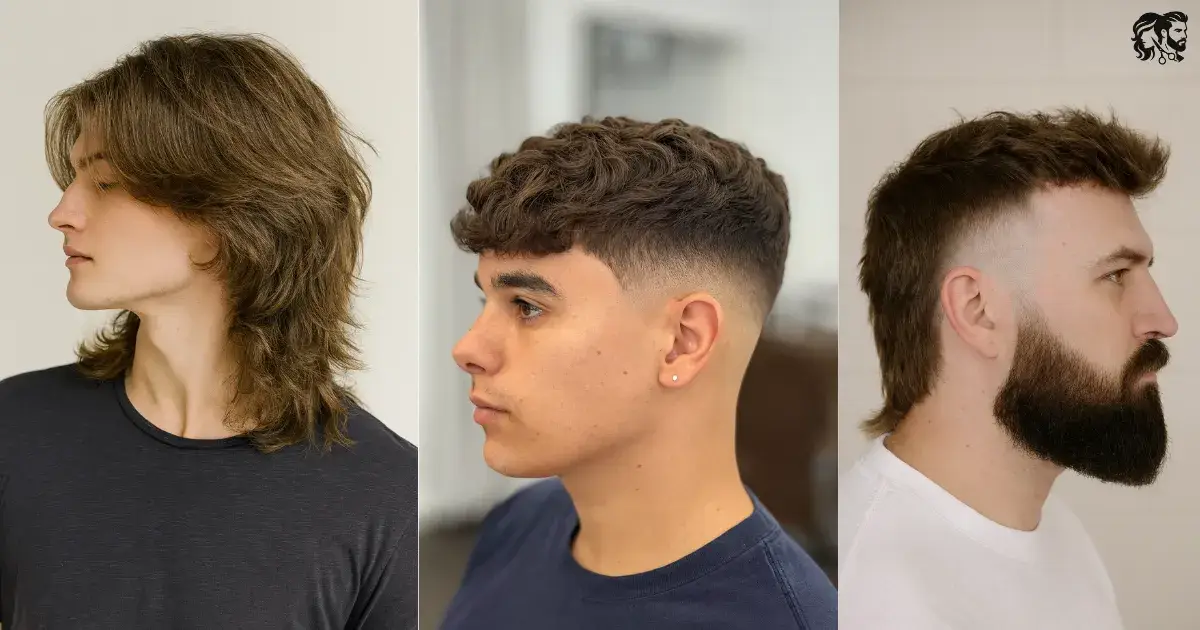
What makes this style so popular is how versatile it is. Whether someone wears a side part, comb over, short crop, mullet, or even a man bun, the fade keeps everything polished. It’s a low-maintenance choice that fits work, school, and formal settings, especially for professional men and anyone wanting a clean-cut finish. The lower, more discreet fade line also flatters long faces and oval faces, giving a sleek, modern edge while still feeling classic.
Defining Characteristics of a Low Fade
- Starts close to the ear with the lowest, most discreet fade line
- Gradually fades upward with a soft, gradual transition
- Light contrast for an understated, conservative approach
- Creates a polished, clean-cut style with a smooth, soft blend
- Works with many top styles like comb overs, crops, mullets, and man buns
- Ideal for professional, modern gentlemen who want a versatile, sophisticated look
What Is a Mid Fade?
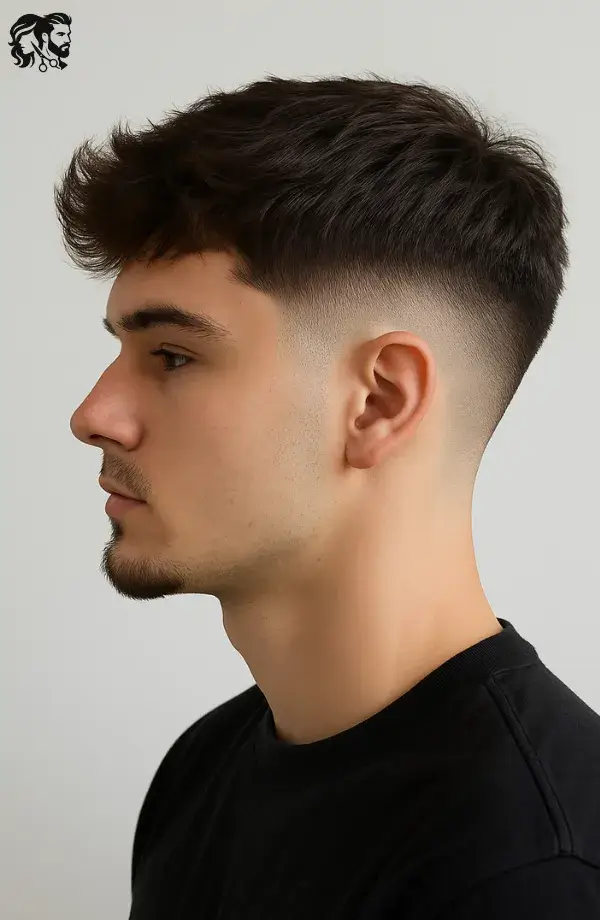
A mid fade sits right in that sweet spot between a low and high fade. The fading starts around the temples or the middle of the sides, which gives the cut a balanced, stylish appearance without going too bold or too soft. When I’m cutting a medium fade, I use my clippers to create a sharper, more noticeable transition that still feels clean and easy to wear every day. It adds additional contrast without exposing too much skin, which makes it a great fit for both business professionals and guys who want a trendy, contemporary vibe.
What makes the mid fade so popular is how adaptable it is. It works with short hair, medium hair, and even longer tops like textured hairstyles, quiffs, or anything with volume. It’s a happy medium that blends the best of both worlds: the subtlety of a low fade and the bold edge of a high fade. Because the fade begins halfway up the head, it delivers visual balance, a fresh dimension, and a look that suits almost any face shape. Whether someone prefers a classic style or something ruggedly attractive, the mid fade is a safe bet for both professional and casual settings.
Defining Characteristics of a Mid Fade
- Fading starts around the temples or the middle of the head
- Creates a balanced, clean, and stylish transition
- Offers more contrast than a low fade but less than a high fade
- Works well with short, medium, or longer textured tops
- Gives a sharper, more noticeable blend without looking aggressive
- Versatile for professional, casual, trendy, or modern looks
What Is a High Fade?
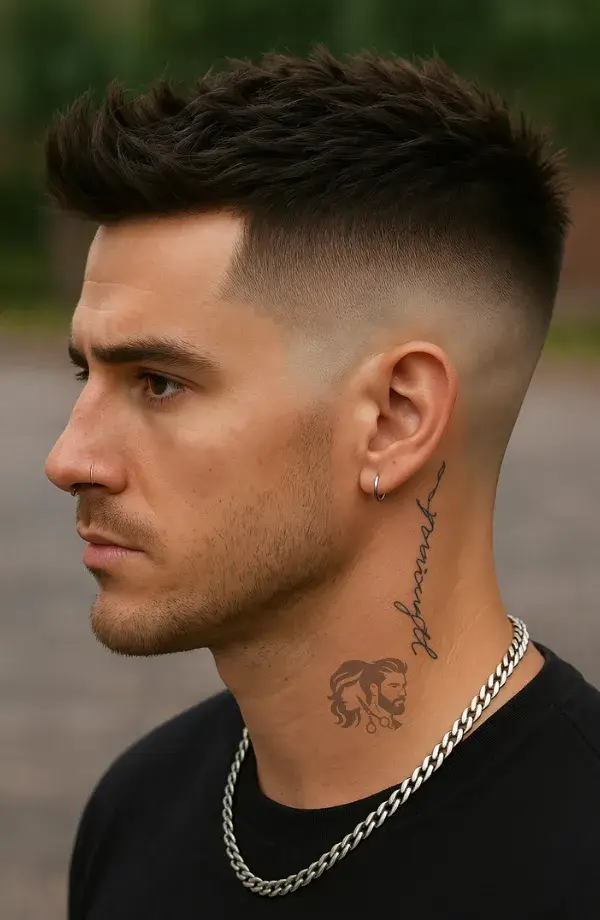
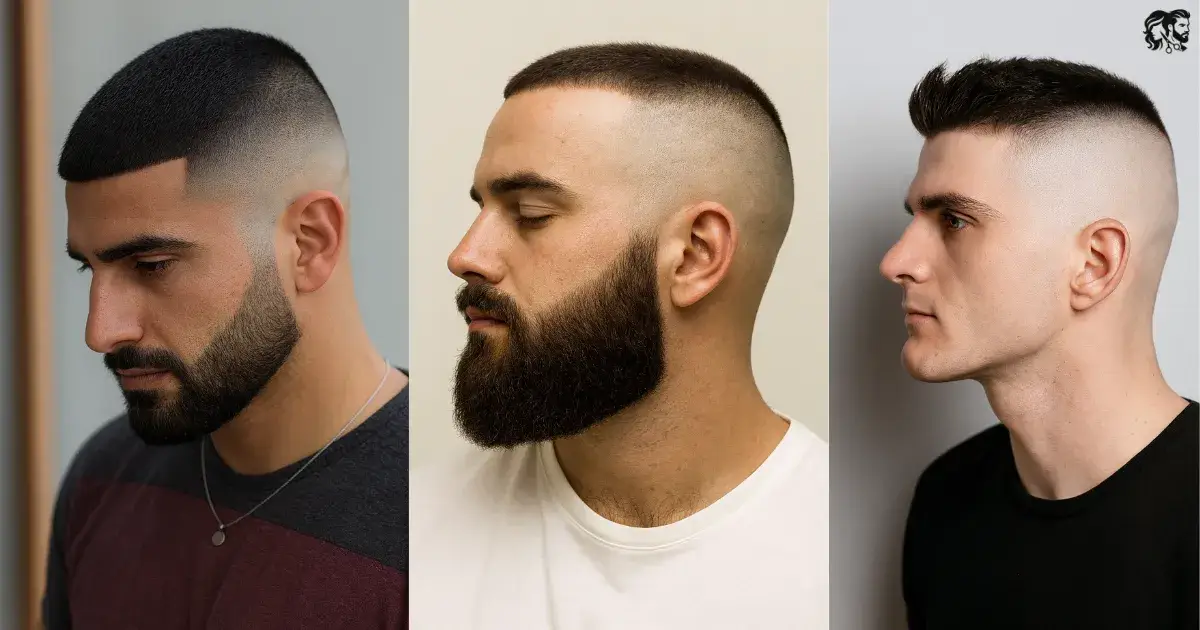
A high fade is the most edgy, modern haircut of the three because the fade starts above the temples and rises close to the top of the head. This creates a dramatic contrast between the sides and the longer hair on top. When I cut a high fade, I mark the fade line high, shave everything below it, and use clippers and guards to blend quickly into the top. The result is a sharp, fast transition with more skin exposure, giving the cut that bold, eye-catching look. It’s a go-to for guys who want a fresh, sleek cut that grabs attention right away.
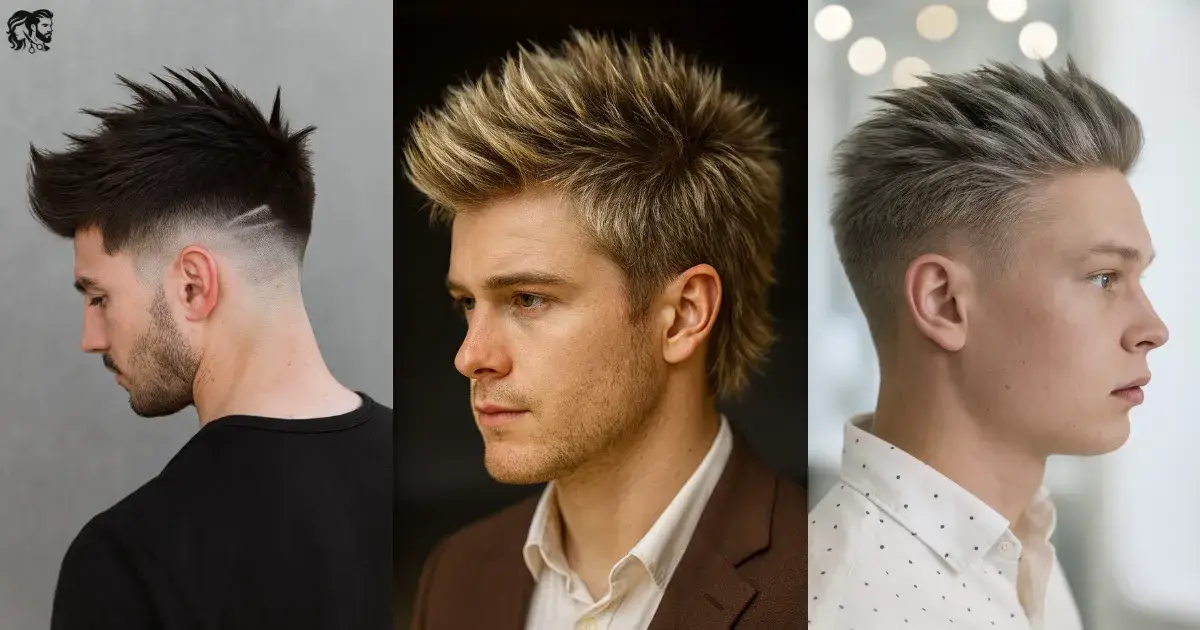
What makes the high fade so popular is how well it pairs with trend-forward styles. It works with textured crew cuts, high and tights, quiffs, pompadours, slick backs, mohawks, and even afros. Because it tapers aggressively, it highlights whatever length or texture sits on top, adding a youthful, energetic, almost rebellious vibe. Whether someone wants something trendy, playful, or confidently modern, the high fade offers a striking appearance that stands out more than a low or mid fade while still staying clean and stylish.
Defining Characteristics of a High Fade
- Fade starts above the temples, often near the top of the head
- Creates dramatic contrast with a sharp, fast blend
- Sides and back are cut very short with more visible skin exposure
- Gives an edgy, bold, modern finish full of energy
- Works with crew cuts, quiffs, pompadours, slick backs, mohawks, and afros
- Can be customized into drop, burst, or temp versions for a unique twist
Check This Styles: 36 Attractive Haircuts For Teen Guys (With Styling Tips)
Low Fade vs Mid Fade vs High Fade Key Difference
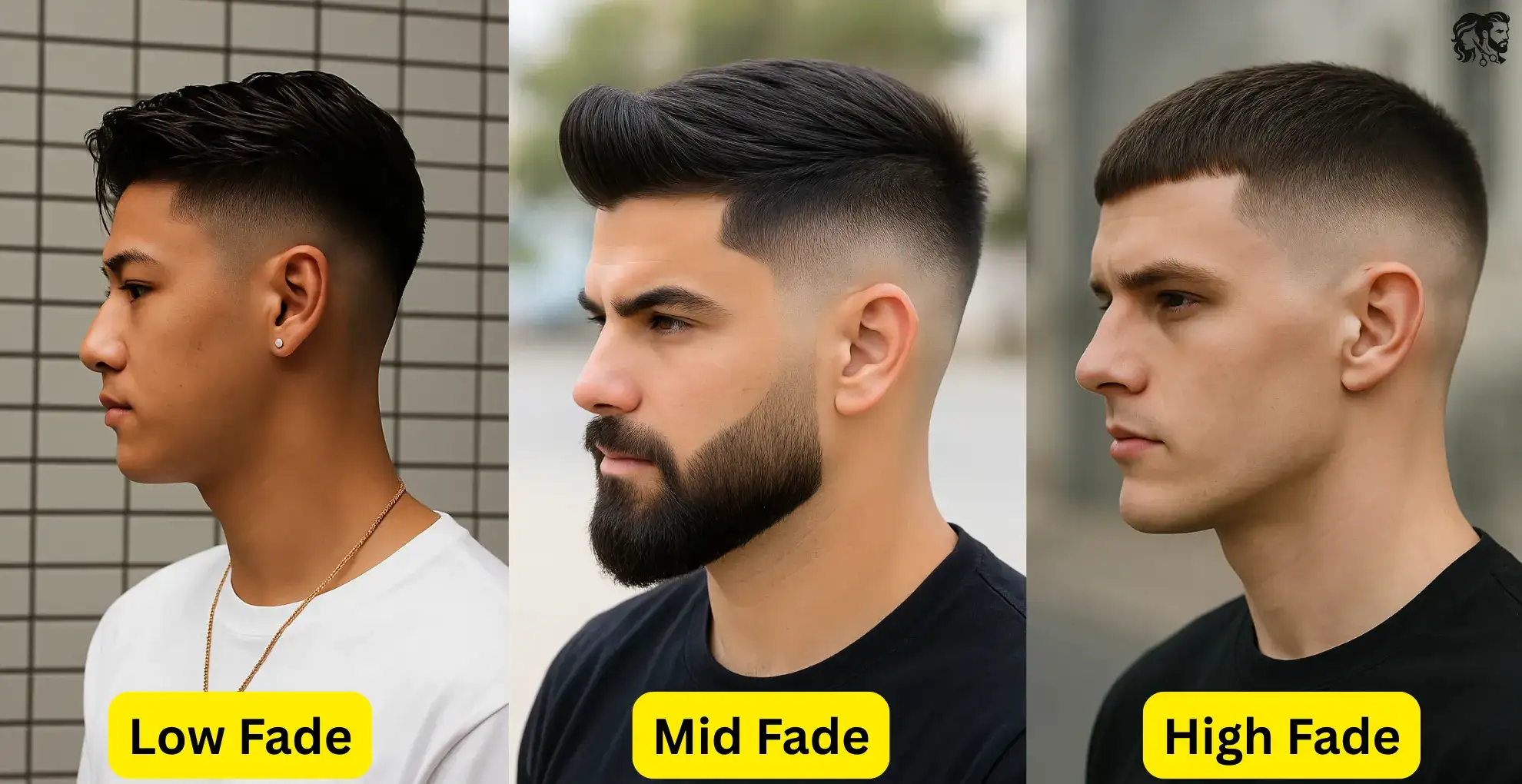
The main difference between a low fade, mid fade, and high fade comes from where the blending starts on the sides of the head, which ends up dramatically affecting the contrast, shortness, and overall vibe of each haircut. A low fade begins just above the ears, giving you a subtle, clean look with the softest transition. A mid fade starts around the temples, offering a more balanced feel that sits right between bold and soft. A high fade begins much closer to the top of the head, creating a faster transition and a sharper, more dramatic look.
Choosing between these fades depends on the contrast, styling, and personality you want to express. Low fades are neat and professional, great for anyone who prefers a clean, understated style. Mid fades are the most versatile, complementing almost any hairstyle while still adding a stylish edge. High fades are bold and eye-catching, perfect for guys who want an attention-grabbing result with a strong modern vibe. A good barber tailors the fade to match your hairstyle and the desired look, making sure each variation works with your face shape, texture, and overall personality.
Different Types of Fade Haircuts
Fade haircuts come in several popular types, and each one adds a different dimension to the sides and back. These variations let men choose a look that feels modern, stylish, and right for their personal vibe. By adjusting how the fade changes along the head, you can give a cut a fresh, standout finish that makes your style stand out without changing the top length.
Skin Fade
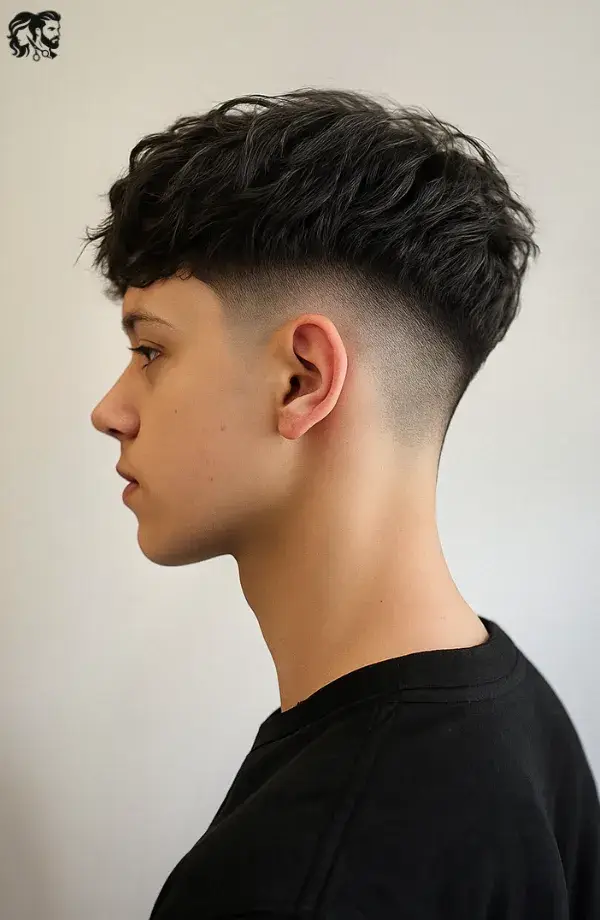
A skin fade creates one of the sharpest looks by blending the hair directly into the skin at the bottom. The transition starts low on the sides and back, giving a clean, fresh, modern finish. Because the hair gradually blends down to bare skin, this fade always appears crisp and pairs well with short or tight cuts that need strong definition.
Drop Fade
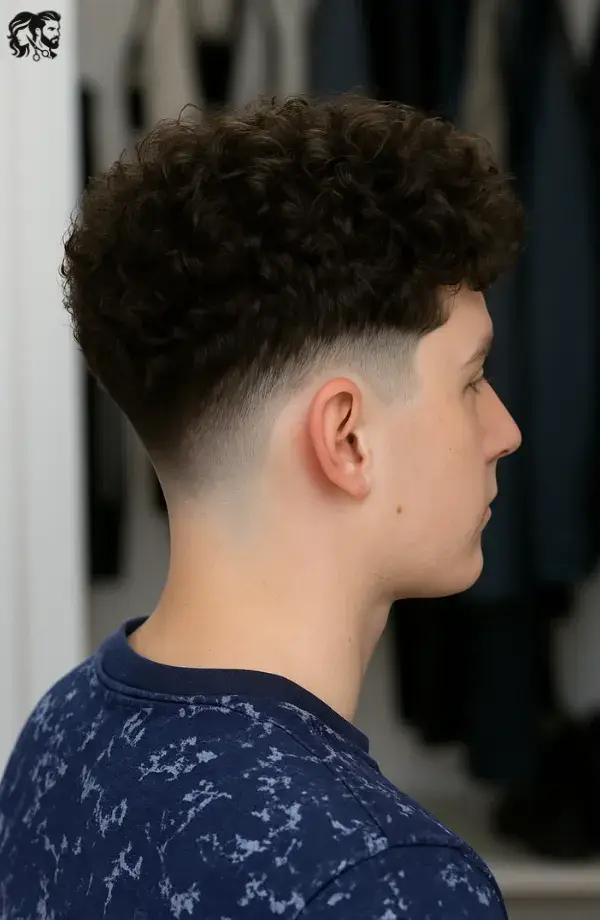
A drop fade features a fade line that drops lower as it curves around the back of the head. This creates a curved, stylish shape that looks unique and trendy compared to a straight fade. The lower drop in the back gives the cut a cool, sculpted finish while keeping the top style the main focus.
Burst Fade
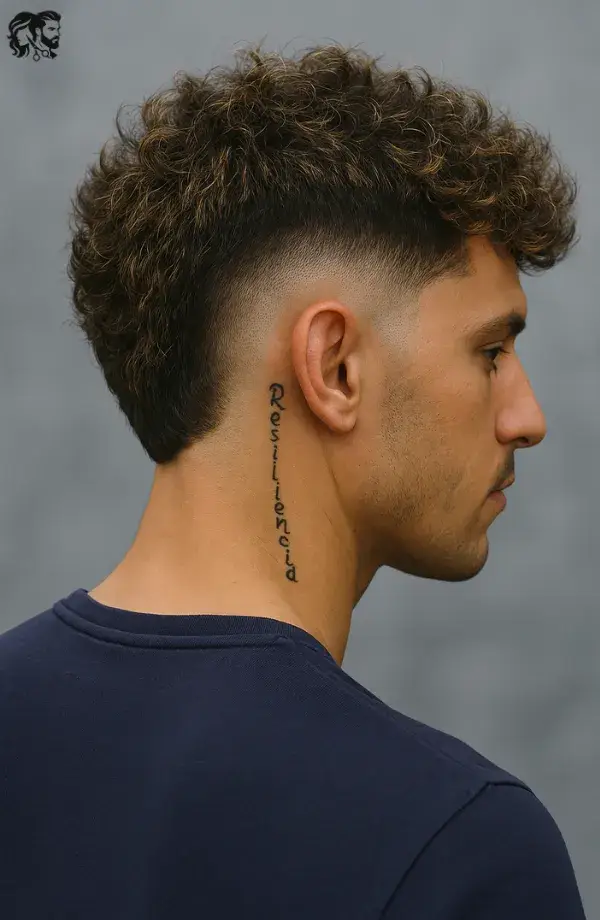
A burst fade forms a semi-circular cut around the ear, creating a curved shape on the sides and back. This modern variation works especially well with mullet and mohawk styles, adding a bold edge and helping the top or back length stand out even more. The curved shape gives the haircut a fun, stylish twist.
Temp Fade
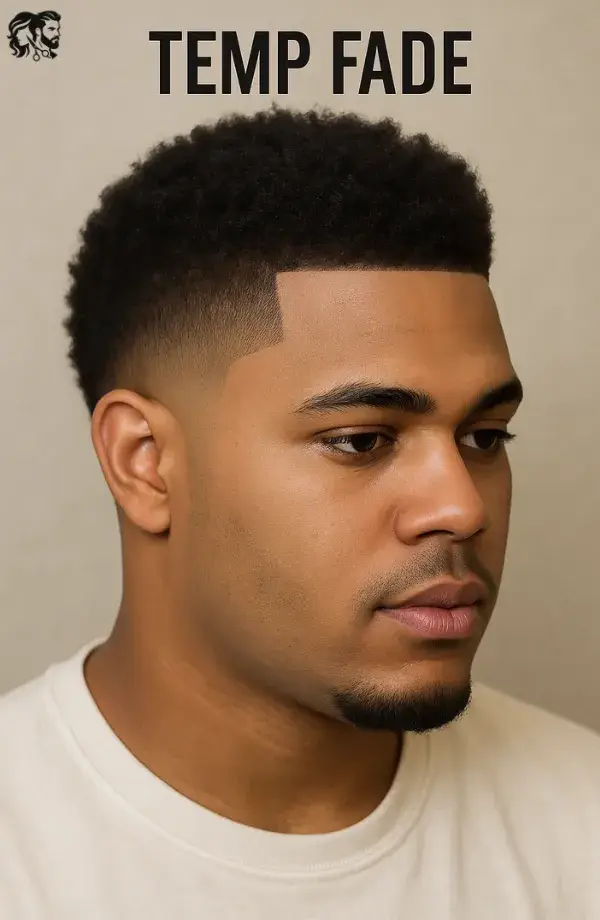
A temp fade focuses on tapering the hair around the temples, blending only the front of the sides near the ears while leaving the back longer. This creates a sleek taper with clear contrast, sharpening the outline of the face without changing the overall length of the haircut. It’s a great choice if you want a clean frame around the forehead and temples.
Undercut Fade
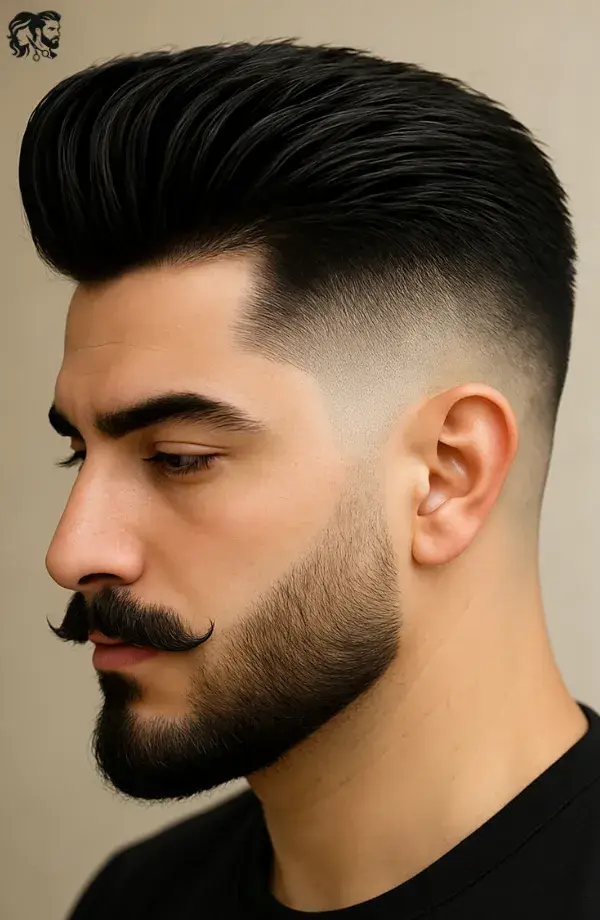
An undercut fade mixes a disconnected undercut with a faded finish on the sides, creating an attractive, bold style. Instead of a seamless blend from top to sides, the hair on top stays longer while the faded sides add contrast. This sharp difference between the short sides and longer top gives the haircut a striking, modern look that stands out instantly.
Which One Is the Best Fade Haircut for You?
Choosing between a low fade, mid fade, and high fade isn’t the same for everyone. Not all fades suit all faces equally, so picking the right one is key to getting a result that fits your style, enhances your features, and matches your lifestyle. A clean, professional fade also depends on proper technique, precision, and the right barber tools to ensure smooth, controlled transitions.
By Hair Type
Different hair types react differently to each fade level, so choosing the right one helps the cut sit naturally and look its best. Whether you want something easy to maintain or something bold enough to stand out, matching your fade to your texture makes all the difference.
- Low fades are ideal if you prefer something easy to maintain, offering a clean shape without removing too much bulk.
- Mid fades are the most adaptable, working well with straight, wavy, and curly textures.
- High fades create strong contrast and work great for thick or coily hair that can handle a sharper transition.
By Face Shape
Face shape plays a major role in choosing the fade type that enhances your features. The right fade can soften, balance, or add height where needed, helping your haircut complement your overall look.
- Low fades help soften features and provide balance, especially for long or oval faces.
- Mid fades suit almost any face shape, creating harmony without overdoing contrast.
- High fades visually slim round or square faces by adding a sense of height and sharper definition.
Best Products for Fade Haircuts
Fade haircuts always stand out when the top has clean shape and the sides stay smooth. The right products help you keep that balance, whether you’re going for a natural look or something sharper.
Different fades need different levels of control. Lightweight Products like creams and sea-salt sprays keep softer styles loose and textured, while clays and pomades give stronger hold for defined tops, quiffs, crops, and slick looks. With the right combo, your fade stays fresh, structured, and easy to manage every day.
Styling Creams
A light styling cream works well for guys who want a natural finish on their fade. It adds control without making the cut look stiff. I use creams a lot on low and mid fades when someone wants movement on top but still wants the sides to look clean.
Pomades
Pomades are great when you need a sharper, defined look. They help shape comb-overs, slick backs, and side parts without losing the fade’s structure. Go for a water-based pomade if you want hold without the heavy buildup.
Matte Clays
Matte clay gives texture and volume without shine. It’s perfect for messy crops, short spikes, and textured tops that pair well with mid or high fades. A small amount can create separation and make the fade look even sharper.
Sea Salt Spray
If your client or reader wants lightweight texture, sea-salt spray is one of the easiest tools. It adds lift and enhances natural waves. I use it before blow-drying to give medium-length fade styles extra flow.
Hair Powder
Volume powder instantly boosts the top and keeps the shape looking fresh. It’s a go-to for soft, airy styles like messy quiffs, textured crops, and brush-ups. Ideal for guys who don’t like heavy products.
Beard & Line-Up Enhancers
A clean fade always pairs well with a clean beard. Beard balm or oil keeps the facial hair soft, while an electric trimmer helps maintain the edges so the haircut looks crisp for longer.
Moisturizing Shampoo & Conditioner
Any fade looks better when the hair is healthy. A good moisturizing shampoo and conditioner prevent dryness, especially if the top is longer and styled daily. It also helps the fade blend smoothly when it grows out.
Aftercut & Scalp Care
A cooling aftershave spray or tonic keeps the skin calm around the fade area. It reduces irritation and helps prevent bumps, especially on high fades or skin fades.
15 Styling Tips for Low Fade, Mid Fade & High Fade
1. Know Your Fade Height: The height you choose affects how the top will look. Low fades look softer, mid fades are balanced, and high fades create stronger contrast.
2. Keep the Top Hydrated: Healthy hair styles better. Use a moisturizing conditioner so the top feels smooth and holds product evenly.
3. Use the Right Pre-Styler: Sea-salt spray or a lightweight mousse gives lift before applying any heavy product. This works for all fade types.
4. Blow-Dry With Direction: Use the blow dryer to set the base shape. Push the hair upward for volume or forward for crops and fringe styles.
5. Choose a Product Finish: Matte clay adds texture, pomade gives shine, and cream keeps things natural. Your fade will look sharper when the top matches the finish you want.
6. Don’t Overload Product: Too much styling product can weigh the top down and ruin the fade’s clean look. Start small and build up.
7. Add Texture for Movement: Texturizing with clay or powder helps the top blend smoothly into the fade, especially on mid and high fades.
8. Refresh With Hair Powder: If your hair goes flat midday, sprinkle a little styling powder at the roots. It lifts the top instantly without adding shine.
9. Keep the Edges Sharp: Use a trimmer or visit your barber for a lineup every 7–10 days. Clean edges make any fade look fresh.
10. Fade Maintenance Matters: Low fades last the longest, mid fades stay sharp for a week or two, and high fades need the most upkeep. Plan touch-ups accordingly.
11. Brush Daily: Brushing helps your hair stay in the direction you want and keeps the top blending nicely into the fade.
12. Use a Matte Finish for Thicker Hair: Thick hair can get puffy. Matte clay or paste keeps it controlled without adding bulk.
13. Use Shine for Straight Hair: Pomade or gel gives straight hair a polished look and keeps the fade structured.
14. Avoid Heavy Oils on Short Tops: If the top is short, heavy oils can make it look greasy and flatten the fade lines.
15. Protect Your Hair From Heat: Use a heat protectant before blow-drying. It keeps the hair healthy so the fade grows out smoothly.
Conclusion
At the end of the day, the best fade haircut comes down to your personality and the type of style you feel most confident wearing. A low fade works when you want something subtle and classy, while a mid fade balances clean structure with a trendy edge. A high fade is the choice for guys who like a sharp, daring look with stronger contrast. Each fade delivers a different vibe, so it helps to think about whether you lean toward something soft and polished or bold and attention-grabbing.
The good news is that fades are super versatile and work with short, medium, and long hairstyles. Whether you want a professional look, a casual cut, or something bold, there’s always a fade that fits. The key is to try it out, talk to your barber, and find the fade that makes you feel your best.
FAQ’s About Fade Haircuts
What is the main difference between a low, mid, and high fade?
The main difference is where the fade starts. A low fade begins just above the ear, a mid fade starts at the temples, and a high fade begins closer to the top of the head.
Which fade haircut looks the most professional?
A low fade usually looks the most professional because it’s subtle, clean, and less dramatic, making it perfect for work or formal settings.
Is a mid fade good for everyday wear?
Yes, a mid fade is great for everyday wear. It’s versatile, balancing boldness and class for both casual and professional looks.
Does a high fade require more maintenance?
A high fade needs more upkeep because the contrast is sharper and the cut grows out faster, so regular touch-ups keep it fresh.
Which fade haircut is the trendiest right now?
The high fade is the trendiest right now. It has a sharp, modern vibe and pairs well with styles like the textured crop, quiff, and pompadour.
Can I combine a fade with any hairstyle?
Yes, fades work with almost any style, including crew cuts, side parts, curls, man buns, and mohawks.
How do I know which fade is right for me?
Think about your lifestyle, face shape, and style goals. Choose a low fade for something classic, a mid fade for balance, and a high fade for a bold, modern look.
What is the difference between a low fade and a mid fade?
A low fade starts just above the ear and is more subtle. A mid fade starts at the temple and offers more contrast and definition.
What type of fade suits my face best?
It depends on your face shape. Low fades soften long features, mid fades balance most proportions, and high fades stylize round or square faces.
How often should I touch up my fade?
Ideally every two to three weeks, depending on your hair growth, to keep the fade clean and maintain its shape.
Can I give myself a fade at home?
You can, but it requires practice and the right tools. You’ll need a machine with multiple cutting levels and steady control for clean details.
What products do you recommend to maintain the cut?
Use a mild shampoo, a light pomade or wax for definition, and a fixing spray to keep the shape in place.

I’m Jaxon Miles, a professional barber with almost 7 years of experience in the grooming world. I’m based in the United States, and I’ve built my craft around helping people look sharp with styles that fit their lifestyle.
My Experience & Expertise ✂️
Master of Modern Men’s Hairstyles: Over the years, I’ve worked with every hair type and style you can imagine. From clean tapers to textured cuts, I focus on looks that are modern, practical, and tailored to each person. 🔥
Writer & Educator ✍️
Along with cutting hair, I’m also the content writer for Style X Roots. I share:
Hairstyle ideas ✨
Hair care tips 💧
Product recommendations 🧴
Trend breakdowns 📈
Step-by-step cut and style guides ✂️
I write based on real barber experience, not guesswork.
1 thought on “The Low Fade vs Mid Fade vs High Fade”