Healthy hair for men isn’t just about looking good. It signals a healthy scalp, solid habits, and a lifestyle that actually supports growth. The good news is you don’t need a complicated 20-step routine or expensive salon products to get results. A consistent, smart approach beats random products every time.
In this guide, you’ll learn how to build a routine that suits your hair type, fix common issues like dandruff or dryness, and protect your hair from damage. We’ll cover everything from shampoo frequency and styling mistakes to nutrition, stress and barber habits.
By the end, you’ll have a clear plan to keep your hair stronger, thicker and healthier long-term, whether you prefer a buzz cut, medium flow, or longer textured styles.
Understanding Men’s Hair Health
Why Scalp Health Comes Before Hair Health
Healthy hair starts at the roots, not the ends. Your scalp is basically the “soil” where your hair grows, and if that scalp is oily, flaky, inflamed or clogged with product, hair will be weaker and more prone to shedding.
Think of it as skin care for your head. A clean, balanced scalp creates a better environment for hair follicles to grow thicker strands. Gentle washing, regular exfoliation, and avoiding harsh products are usually more helpful than chasing miracle oils or serums alone.
When your scalp microbiome is in balance, you’ll notice less itch, fewer flakes, and better overall hair texture.
Knowing Your Hair Type and Texture
Before you can build a routine, you need to understand your hair type. Straight, wavy, curly and coily hair all behave differently and need different levels of moisture and control. Fine hair may get greasy fast, while thick or curly hair often struggles with dryness and frizz.
Pay attention to how your hair looks one day after washing. Does it lie flat and limp, puff up, or start to frizz? This tells you if your hair craves more moisture or lighter products. Matching your shampoo, conditioner and styling products to your type prevents a lot of problems.
Once you know your texture, you can pick routines and hairstyles that work with it instead of fighting it.
Building a Daily Haircare Routine for Men
Choosing the Right Shampoo and Conditioner
The shampoo you use can make or break your hair health. Harsh formulas strip too much natural oil, leaving the scalp tight and the hair dry. On the other hand, a shampoo that is too creamy or heavy can weigh your hair down and clog follicles, especially if you have fine or oily hair.
Look for sulfate-free or “gentle cleansing” shampoos if your hair feels dry or frizzy. Men with oily scalps may benefit from clarifying shampoos once a week to remove buildup. Conditioner should focus on the mid-lengths and ends, not directly on the scalp.
Aim for products that match your hair type, such as “for dry hair,” “for thick hair,” or “for curls.”
How Often Should Men Wash Their Hair?
There is no single perfect wash schedule. The right frequency depends on your scalp, hair type and lifestyle. If you hit the gym daily or sweat a lot, you might need to rinse or wash more often. Men with dry or curly hair usually benefit from washing less frequently.
For most men, shampooing every two to three days works well, with water rinses or light co-washing in between if needed. Overwashing strips natural oils, which can trigger your scalp to produce more oil, creating a greasy-dry cycle.
Experiment until you find a routine where your scalp feels clean but not tight and your hair doesn’t look dull or lifeless.
Proper Drying Techniques to Avoid Damage
How you dry your hair matters more than most men think. Rubbing your hair aggressively with a towel roughs up the cuticle, causing frizz, breakage and split ends over time. Hot blow-drying on maximum heat can also weaken strands, especially if you skip heat protection.
Instead, pat your hair gently with a microfiber towel or a soft cotton t-shirt to remove excess water. If you blow-dry, keep the dryer on a medium or cool setting and hold it a few inches away from your head.
A quick spritz of heat protectant spray before blow-drying adds another layer of defense against damage.
Smarter Styling Habits for Healthier Hair

Using Heat Tools Without Ruining Your Hair
Straighteners, hair dryers and curling tools are useful, but regular high heat can slowly damage the cuticle and make hair dry, brittle and hard to style. The goal is to control how often and how intensely you use heat.
Limit heat styling to a few times per week when possible, not every single day. Always apply a heat protectant product before styling, whether it’s a spray, cream or serum. Try to finish drying when the hair is slightly damp so it can air-dry the last bit.
Choosing moderate heat instead of maximum settings helps preserve your hair’s natural shine and strength.
Picking Hair Products That Support Hair Health
Styling products should help your hair, not suffocate it. Heavy waxes, gels with lots of alcohol, and cheap sprays can build up on the scalp and hair, making strands stiff and more likely to break. They can also block follicles if you never fully wash them out.
Whenever possible, pick lightweight products labeled “water-based,” “non-comedogenic,” or “no flaking.” Creams and pastes tend to be gentler than rock-hard gels. If you like high hold, balance it with a proper wash routine to remove residue.
Healthy hair still looks good even when you skip styling products, which is a good sign your routine is working.
Gentle Hairstyles That Don’t Stress the Hair
Tight styles may look sharp for a moment, but they can cause problems over time. Constant tension from tight ponytails, buns or braids can lead to traction alopecia, where hair thins or recedes in areas under constant pull.
Aim for looser styles that still look neat. If you tie Long Hair back, use soft, snag-free bands and give your scalp breaks from tight styles. Avoid sleeping with hair pulled aggressively tight.
Hairstyles that work with your natural growth pattern reduce breakage and make it easier to maintain healthy hair long term.
Nutrition and Lifestyle Habits for Strong Hair
Essential Nutrients for Hair Growth
Your hair is made mainly of protein, so your diet directly influences how strong it grows. If you’re not eating enough protein, your body will prioritize vital organs over hair, which can lead to thinning or shedding.
Include sources like eggs, fish, chicken, legumes and dairy if you tolerate it. Vitamins and minerals such as biotin, vitamin D, vitamin E, iron and zinc also support hair growth. You can get many of these from leafy greens, nuts, seeds and whole grains.
Supplements can help if you have deficiencies, but it’s smarter to talk with a healthcare professional before starting anything.
Hydration, Sleep and Stress Management
You can’t have consistently healthy hair while your body is under constant stress. Chronic stress may disrupt hormones and push hair into a shedding phase, leading to temporary thinning or slower growth. Poor sleep and dehydration only make things worse.
Aim to drink enough water throughout the day so your urine is usually light in color. Try for seven to nine hours of quality sleep each night, depending on your needs. Find stress-relieving habits such as walks, workouts, deep breathing, or hobbies you enjoy.
Managing stress doesn’t just help hair; it improves your overall health, which often shows in your scalp and skin.
How Exercise and Hormones Affect Men’s Hair
Regular exercise increases blood flow, which carries oxygen and nutrients to your scalp. This can indirectly support healthier growth and a more balanced scalp environment. Strength training, cardio and sports all contribute to better circulation.
Hormones also play a major role in men’s hair. Genetics, aging and hormone levels affect how quickly hair thins, especially around the hairline and crown. Lifestyle alone can’t override strong genetics, but a healthy routine may slow down some damage.
If you notice sudden or patchy hair loss, it’s important to speak with a dermatologist or doctor instead of self-diagnosing.
Common Hair Problems in Men and How to Fix Them
Dandruff and Itchy Scalp Solutions
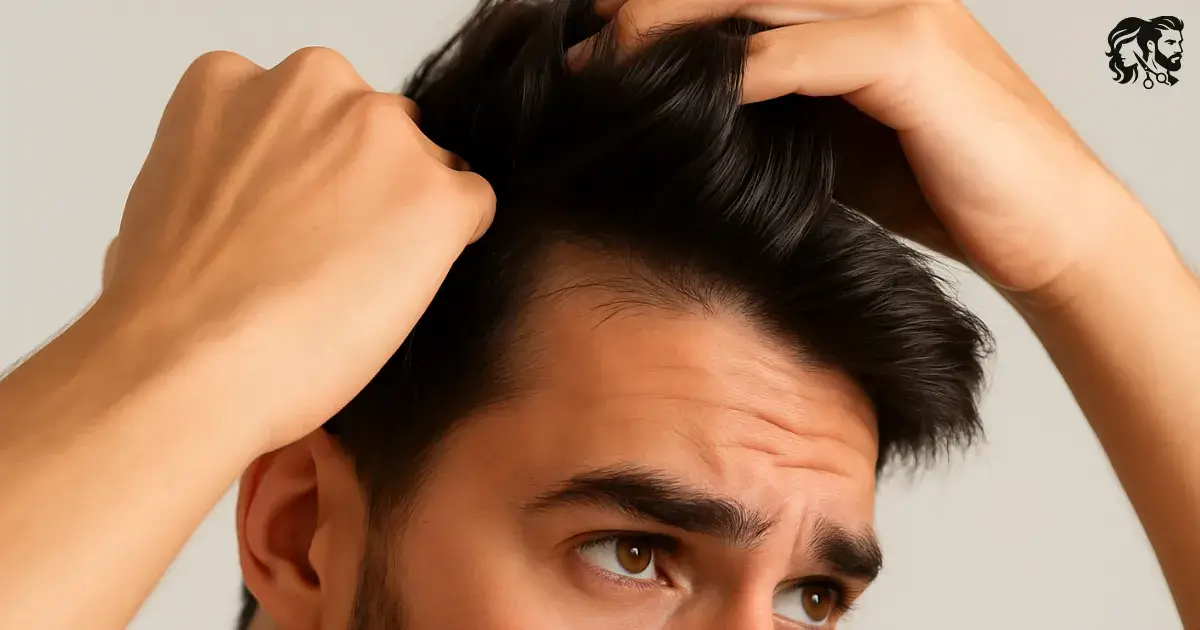
Dandruff is incredibly common and usually shows up as white or yellowish flakes with itching. It’s often caused by yeast on the scalp, excess oil, or sensitivity to hair products. Scratching only irritates the skin more and can damage follicles.
Switch to an anti-dandruff shampoo containing ingredients like zinc pyrithione, ketoconazole, selenium sulfide or salicylic acid. Use it several times a week, then alternate with a gentle shampoo once flakes are under control.
Avoid very hot water and harsh styling products that might irritate your scalp or trigger more flaking.
Controlling Oily Hair and Greasy Roots
An oily scalp can make hair look flat, dirty and lifeless even if you washed recently. Overwashing is a common mistake, because stripping all oils can cause your scalp to produce even more. The key is balance instead of extreme washing.
Try washing every second day with a gentle shampoo, focusing on the scalp and roots. Rinse thoroughly to remove all residue. If needed, use a small amount of dry shampoo on non-wash days to refresh volume.
Avoid heavy conditioners and oils directly on the scalp; keep them on mid-lengths and ends only.
Repairing Dry, Frizzy or Damaged Hair
Dry or damaged hair often feels rough, tangles easily and looks dull. Heat styling, chemical treatments, sun exposure and rough towel-drying all play a role. Men with curls or coils are especially prone to dryness because natural oils travel more slowly down the hair shaft.
Cut back on heat tools and switch to moisturizing shampoos and conditioners. Add a weekly deep conditioning treatment or hair mask to restore softness. Use leave-in conditioners or light oils on the ends to lock in moisture.
Trimming damaged ends regularly helps prevent splits from traveling up the strand and making hair look frayed.
Dealing with Early Thinning and Receding Hairlines
Many men notice thinning or a receding hairline in their twenties or thirties. Sometimes it’s purely genetic, and other times stress, poor diet, smoking or underlying health issues play a part. Ignoring it rarely helps.
Start by tightening up your fundamentals: better nutrition, reduced stress and a gentle hair routine. Avoid tight styles that pull on fragile areas like the hairline. Choose haircuts that work with your pattern rather than trying to hide it aggressively.
For persistent or rapidly progressing thinning, consult a dermatologist to discuss medical treatments and rule out underlying conditions.
Barber and Salon Habits That Support Healthy Hair
How Often Should Men Get a Haircut?
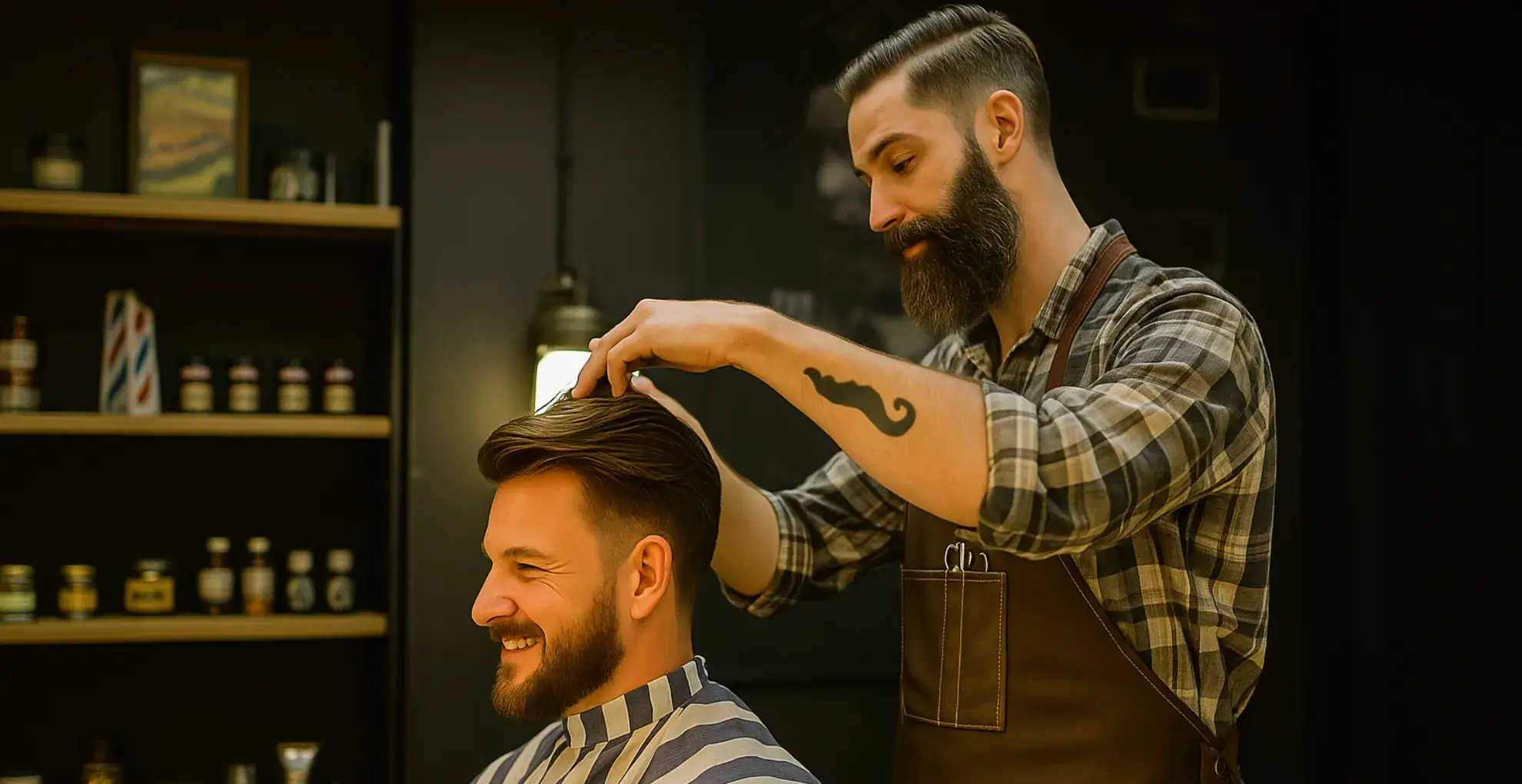
Even if you’re growing your hair out, regular trims are essential. Split ends make hair look messy and can cause breakage higher up the strand if you leave them too long. The ideal haircut frequency depends on your style and how fast your hair grows.
Short styles and fades typically need maintenance every two to four weeks to stay sharp. Medium to long styles usually do well with trims every six to ten weeks, focusing on cleaning up ends and shape.
Staying on a schedule keeps your hairstyle looking intentional and helps maintain overall hair health.
What to Ask Your Barber About Hair and Scalp Health
Your barber sees your hair and scalp up close more often than you do. They might spot thinning, dryness, or irritation before you notice. Use this to your advantage by asking for feedback and recommendations.
Ask if they see any areas of concern, like redness, patches of thinning, or breakage. Discuss which products they’re using on you and whether there are lighter or more moisturizing options that fit your hair type.
A good barber can suggest cuts that suit your density, hairline and texture, making your hair look fuller and healthier.
At-Home Treatments and Natural Hair Remedies
Scalp Massage and Hair Oils for Men
Scalp massage is a simple habit that can improve blood circulation and relaxation. A few minutes with your fingertips each day can help distribute natural oils and loosen any product buildup at the roots.
You can enhance this by using a Small Amount Of Hair Oil, like argan, jojoba or coconut oil, depending on how your hair reacts. Focus on the scalp and mid-lengths, not just the ends. Avoid using too much, especially if your hair is fine or easily weighed down.
Always wash excess oil thoroughly within a day or two so your follicles don’t get clogged.
Simple Hair Masks You Can Use Weekly
Hair masks are like intensive treatments for when your hair feels especially dry or damaged. Store-bought masks are convenient and often contain ingredients that target specific issues such as frizz, breakage or dullness.
You can also try simple DIY options like yogurt and honey, mashed avocado, or aloe vera gel, but always patch-test first. Apply the mask mainly to mid-lengths and ends, comb through gently, and leave it on for the suggested time.
Use masks once a week or every other week depending on how your hair feels, then return to your normal routine.
Practical Healthy Hair Checklist for Men
Here’s a mid-article checklist you can save and track each week:
- Wash your hair with a gentle shampoo two to three times per week, not every day.
- Use conditioner on mid-lengths and ends every wash, avoiding direct application on the scalp.
- Limit high-heat styling and always apply a heat protectant before using dryers or tools.
- Choose lightweight, water-based styling products that wash out easily and don’t flake.
- Eat enough protein and include nutrient-rich foods like eggs, nuts, greens and fish.
- Get regular haircuts or trims to remove split ends and maintain shape.
- Manage stress, hydrate well and sleep enough to support your overall hair health.
If you consistently follow these points, you’ll usually see healthier, more manageable hair over the coming months.
Key Points Summary (Table)
| Key Area | What to Do | Why It Matters |
| Scalp Health | Keep scalp clean, avoid harsh products, treat dandruff early | Healthy follicles need a balanced, irritation-free scalp |
| Wash Routine | Shampoo 2–3 times weekly, condition regularly | Prevents buildup without stripping natural oils |
| Drying & Heat | Pat dry, use lower heat, always use heat protectant | Reduces breakage, frizz and long-term damage |
| Styling Products | Use light, water-based products and wash them out properly | Avoids clogged follicles and stiff, brittle hair |
| Nutrition & Hydration | Eat protein, vitamins, drink enough water | Fuels strong growth from the inside |
| Stress & Sleep | Manage stress, sleep 7–9 hours when possible | Hormone balance supports healthy hair cycles |
| Hair Problems | Address dandruff, oiliness, dryness and thinning early | Early action helps prevent issues from worsening |
| Barbershop Habits | Get regular trims, ask for scalp and hair feedback | Keeps your style sharp and hair in good condition |
| At-Home Treatments | Use scalp massages, oils and masks wisely | Adds moisture, boosts circulation and shine |
| Long-Term Consistency | Stick to a simple routine and adjust slowly | Real changes happen over months, not days |
Conclusion
Getting healthy hair for men is less about chasing magical products and more about consistent, smart habits. When you focus on scalp health, a balanced wash routine, gentle styling and the right products for your hair type, your hair gradually becomes easier to manage, stronger and more resistant to damage.
Support those habits with a decent diet, regular exercise, good sleep and stress control, and you give your hair the best environment to grow. Even if genetics play a role in your hairline, you can still maximize what you have by treating your scalp and strands with care instead of neglect.
FAQs About How to Get Healthy Hair for Men
1. How long does it take to see results from a new hair routine?
Most men start noticing small improvements like less frizz or better shine within a few weeks. Bigger changes, such as reduced breakage or thicker-looking hair, often take three to six months of consistent care. Hair grows slowly, so patience and routine matter more than quick fixes.
If you don’t see any improvement at all after several months, or things get worse, consider talking to a dermatologist or trichologist.
2. Is it bad to wash my hair every day?
Daily washing with harsh shampoo can strip natural oils and dry out both scalp and hair. If you sweat heavily or feel you must cleanse daily, try using a gentle or sulfate-free shampoo or alternate between shampoo days and water-only rinses.
Pay attention to how your hair and scalp feel. If they’re tight, itchy or very dry, reduce the frequency and switch to milder products.
3. Do hair growth shampoos and vitamins really work?
Some shampoos and supplements can help if they address a real problem, like dandruff or a nutrient deficiency. However, they aren’t magic solutions and won’t override strong genetics or certain medical conditions. A balanced diet and solid routine should come first.
If you’re considering supplements or medical treatments for thinning, it’s safer to consult a healthcare professional instead of self-prescribing.
4. Can styling products cause hair loss?
Most styling products don’t directly cause hair loss, but using very heavy products and never washing them out properly can clog follicles and irritate the scalp. Constant tight styles can also contribute to traction alopecia over time.
Use lighter, water-based products and cleanse your scalp regularly. If you notice redness, bumps or shedding where you apply a lot of product, simplify your routine and see if things improve.
5. When should I see a doctor about my hair?
You should see a dermatologist or doctor if you notice sudden shedding, bald patches, severe itching, pain, or changes in your scalp that don’t improve with basic care. Also seek professional advice if thinning starts very early or progresses quickly.
A doctor can check for underlying issues like hormonal imbalances, deficiencies or skin conditions and suggest appropriate treatments tailored to your situation.
Meta Description

I’m Jaxon Miles, a professional barber with almost 7 years of experience in the grooming world. I’m based in the United States, and I’ve built my craft around helping people look sharp with styles that fit their lifestyle.
My Experience & Expertise ✂️
Master of Modern Men’s Hairstyles: Over the years, I’ve worked with every hair type and style you can imagine. From clean tapers to textured cuts, I focus on looks that are modern, practical, and tailored to each person. 🔥
Writer & Educator ✍️
Along with cutting hair, I’m also the content writer for Style X Roots. I share:
Hairstyle ideas ✨
Hair care tips 💧
Product recommendations 🧴
Trend breakdowns 📈
Step-by-step cut and style guides ✂️
I write based on real barber experience, not guesswork.