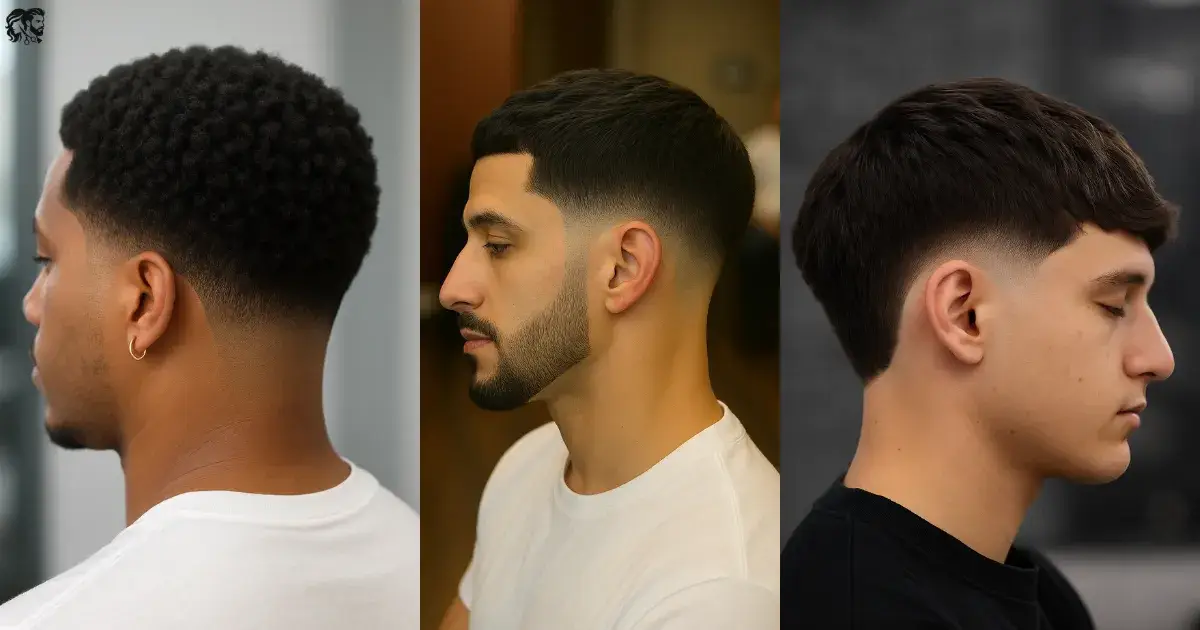
Many people mix up a taper and a fade, especially because these popular haircuts show up in modern barber shops all the time. They look similar at a glance, but once a skilled professional explains the cutting technique, you start seeing how they seamlessly transition in different ways. When I work in barbershops, I notice how often clients use the names interchangeably, even though both styles create distinctly different looks.
A taper keeps the hair shorter on the sides and back, while keeping a more natural finish. A fade takes the cutting hair short idea further by dropping the blend lower on the back of head, which gives a more bold vibe or an edgy finish depending on how tight the blend is. Both are versatile cuts that work well with various hair types, but they each carry distinct characteristics that match different individual personal style choices and preferences.
Understanding these similarities and understanding differences helps when deciding your next haircut. A taper gives a clean, sharp, and sophisticated professional look, while a fade can create a stronger contrast for a more versatile look. When you’re communicating with your barber about the perfect haircut, knowing which one fits your desired look makes the whole process smoother. Both are common cuts, and as people learn the difference, they feel more confident choosing what suits them best.
What is a Taper Haircut?
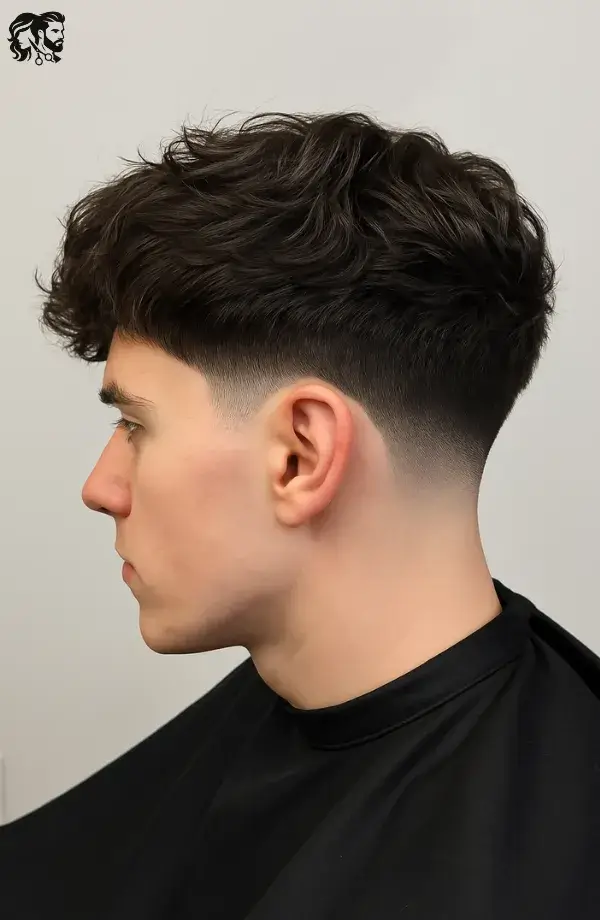
A taper is a haircut that gradually blends the hair on the sides and back, keeping it shorter toward the length at the bottom with a smooth and subtle transition. In my shop, a men’s taper haircut is a go to choice for anyone who wants a classy and natural finish without losing shape. I use clippers with different guards to create a transition that moves seamlessly from longer at top of head to gradually shorter near the neckline. This kind of blending creates different lengths that feel polished, sharper, and more clean-cut, especially for someone who likes a classic style while still maintaining some length on the top of head.
What makes a taper fade special is how it can work in professional and casual settings thanks to its versatility. It can be adjusted for different hair lengths and tailored to individual preferences, which helps create a well-groomed style that stays low maintenance. A taper blends effortlessly when you want a customised cut with a soft touch that fits a business professional vibe or a relaxed day out.
Whether it is a skin taper, low taper, or something more dramatic, the goal is a subtle finish by cutting from long to short and focusing on blending hair around the neckline, sideburns, and keeping length longer on top. This creates a balanced look, longer at top, short on sides, and a finish that stays evenly cut with the hair longer on the top and sides.
15 KEY FEATURES OF THE TAPER HAIRCUT
1. A soft longer length on top that keeps the style flexible.
2. The sides are trimmed neatly without removing too much bulk.
3. The back stays shaped while keeping the cut natural.
4. Offers a clean-cut feel that suits many occasions.
5. Creates a polished appearance without looking overdone.
6. Gives a lower-maintenance look that is easy to manage daily.
7. Works well with stylish and modern grooming choices.
8. Fits a classy haircut approach for men who like refined styles.
9. Pairs smoothly with elegant styles like comb overs and tapers.
10. Matches well with side parts, slick backs, crew cuts, and layers.
11. Has a softer more subtle transition that is never too harsh.
12. Ideal for men who prefer a conservative and neat appearance.
13. The subtle blend keeps the shape gentle and smooth.
14. Great for keeping some length while still adding structure.
15. Maintains a defined edge with a gradual change from long to short hair, a smooth, natural blend, a defined hairline, and hair around neckline with sideburns remains visible for a subtle look that stays clean and not too dramatic.
How Many Types Of Tapers
There are several taper fades that barbers use, each with its own level of contrast and aggressiveness in the blending process. All of them generally follow the same gradual shortening technique, but the placement of the blend changes the final look. A classic taper keeps a more subtle blended appearance, while others offer stronger contrast depending on how the cut gradually transitions down the neckline. The right choice depends on your hair texture, desired look, and how quickly or gradually you want the hair to fade.
From low, mid, high, skin, to temple tapers, each one delivers a different vibe. Some are conservative and clean-cut, perfect for business professional men, while others lean bold and fashion-forward. A taper is a broad term that encompasses various styles and lengths, so a barber or stylist can adjust it to create a neat, refined look, a sharper contrast, or a more rebellious edge. It all comes down to how the shorter hair on the sides and back is shaped and blended.
Low Taper
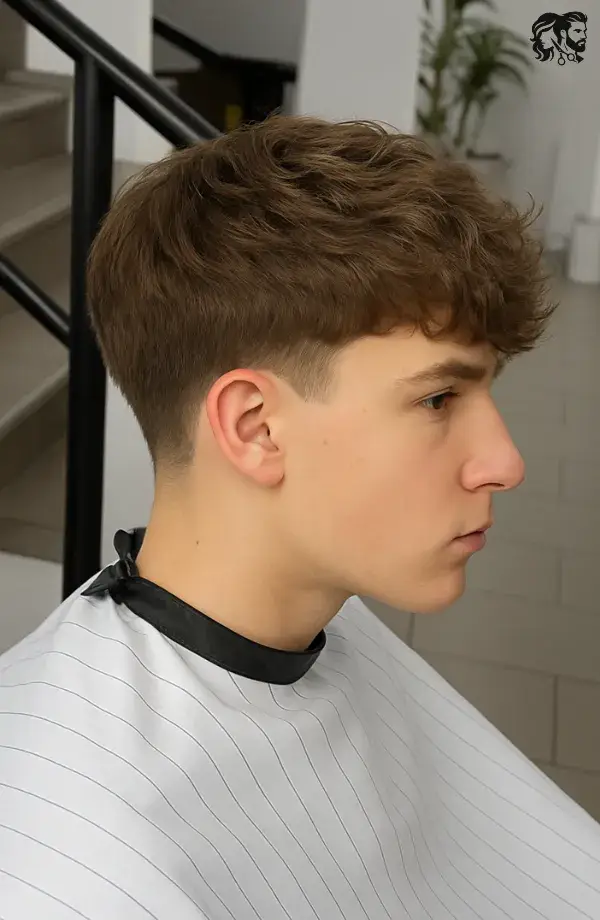
A low taper begins just above ears, creating a subtle natural finish with minimal contrast. It blends the longer and shorter lengths gently, making it a refined look without excessive sharpness. This cut is ideal if you want something classically handsome, clean, and easy to maintain.
Mid Taper
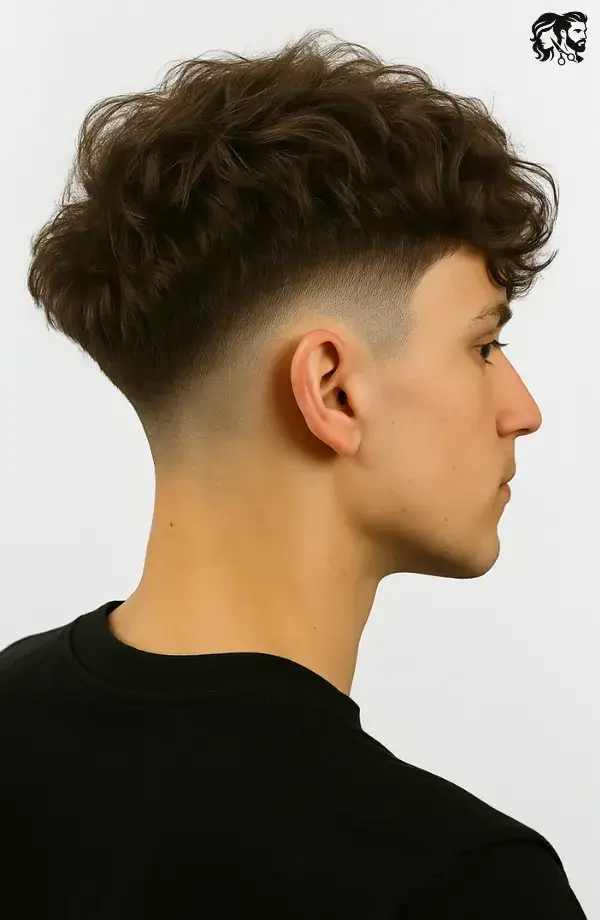
A mid taper fade offers a balanced approach by starting the blend at the temples. It is maximally versatile, giving both structure and softness. This makes it a perfect choice for men who want something between a low and high cut, with a look that stays neat throughout the day.
High Taper
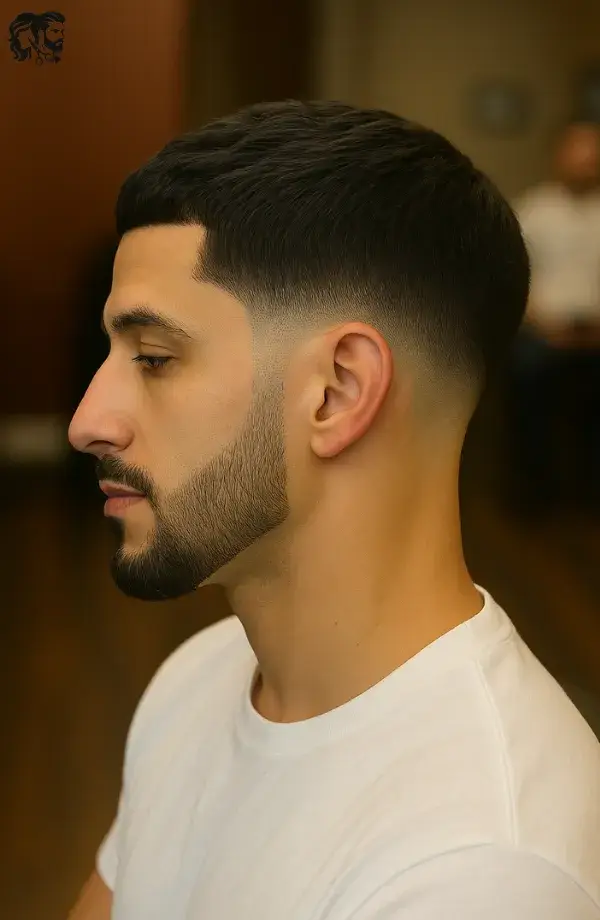
A high taper haircut starts higher on the head, usually two or three inches above the ears. It is cut closer to scalp, creating stronger contrast, a sharper appearance, and a bold, stylish finish. This option works well for anyone who prefers a more dramatic, high-contrast hairstyle.
Skin (Bald) Taper
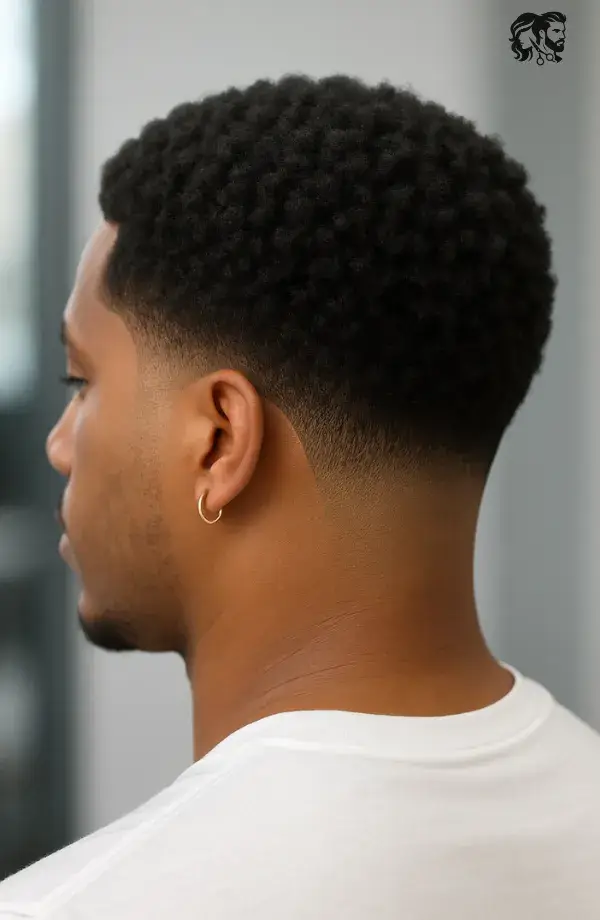
The skin taper removes the hair completely at the bottom, fading into skin before blending upward. This creates the most drastic contrasts and the strongest definition. It delivers a sharp and modern look that suits a fashion-forward style.
Temple (Temp) Taper
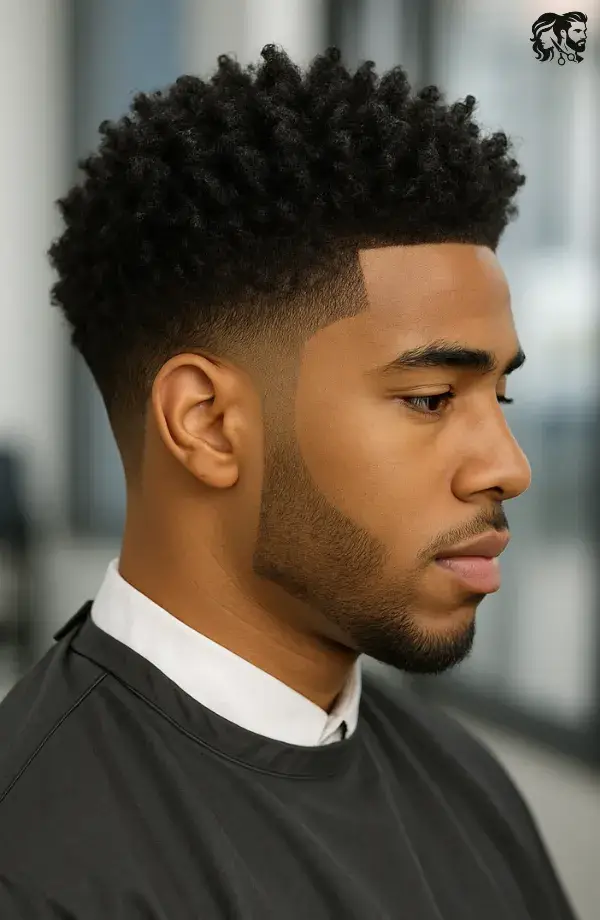
A temple taper focuses the fade at the temples, giving a crisp but lower-contrast look. It keeps the blend tight while leaving the back and other areas fuller. This cut works well for men who like sharp detailing without going too aggressive on the sides.
What Is a Fade Haircut?
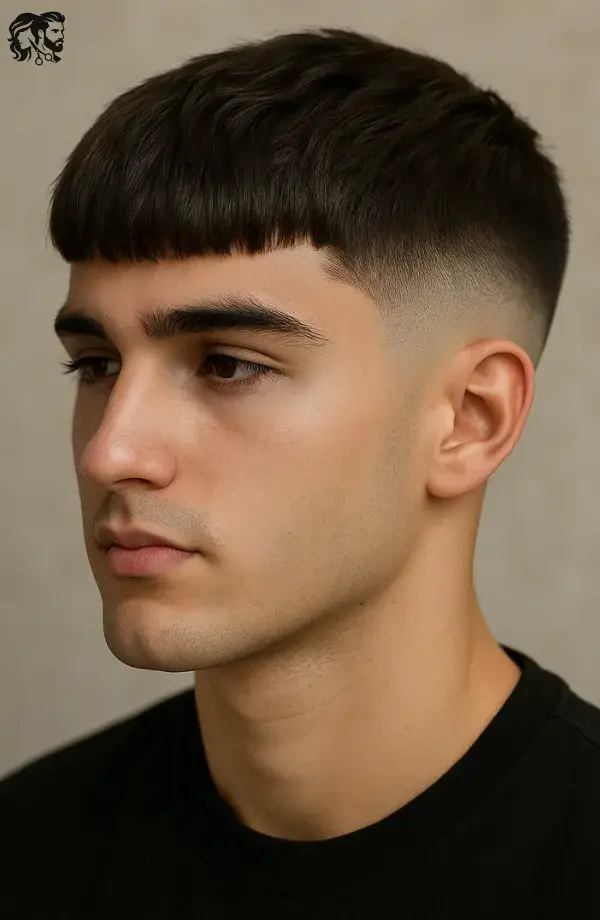
A fade is a modern haircut where the barber uses clippers to make the hair smoothly transition from longer hair on top to shorter lengths on the sides and back, often going down to the skin at the bottom. It adds a sleek, bold look that is unlike classic taper because a fade fades very short and creates a strongly contrast finish. In my chair, a fade haircut always brings an edgy element and a sharper style, which is why it is one of the most popular men’s haircuts in the world.
A faded cut can elevate hairstyle options because there are different types of fade haircuts like low, mid, high, drop, burst, and temp fades. These options offer distinct levels of contrast and cool customizations that give a fresh dimension to the final style. Since the fade provides more dramatic transition, it delivers a clear high-contrast finish that many younger men prefer for its sharp aesthetic and modern appeal.
What makes it a versatile cut is how easily it can be customised to match different preferences. You can control the variations, intensity, and placement, allowing both a subtle or bold look. A fade is a popular choice for individuals seeking a sleek trendy appearance because it naturally features gradual shortening of the hair on top, sides, and back, often blending seamlessly down to the skin.
It is a modern and sharp hairstyle that goes long to short, usually very short toward the bottom. This typical fade gradually changes hair length all around head, which makes the change from long to short look more dramatic than a taper. A fade also works well with many other cuts, making it perfect for anyone wanting a fresh clean look.
Key Features of The Fade
1. Creates a sharp high-contrast cut that stands out instantly.
2. Blends smoothly from longer lengths down to very short.
3. Often goes to the skin for a clean and striking finish.
4. Tightens the sides to give a crisp and modern shape.
5. Shapes the back for a polished and even look.
6. Offers a popular modern look that feels fresh and current.
7. Adds an alluring vibe that suits many face shapes.
8. Comes with the need for regular visits to maintain the blend.
9. Requires consistent barber shop maintenance for best results.
10. Creates a sleek cut that elevates any hairstyle.
11. Works well with both contemporary variations and traditional styles.
12. Gives a sharper more defined outline than a taper.
13. A perfect choice for anyone looking for trendy bold haircut ideas.
14.Naturally draws attention with its bold trendy finish.
15. Compared to the taper subtle refined look, a fade feels more impactful yet done right, either style looks sharp, polished, and professional.
How Many Types of Fades
There are many different types of fade haircuts, and each one creates distinct levels of contrast depending on how the blend is placed. Most fades come in various styles, from low, mid, and high to options like drop, burst, and temp fades that add cool customizations and a fresh dimension to any look. Barbers use different blending methods to shape the sides and back, creating impact based on how fast the hair moves from long to short.
Most people start by learning the three main types because they make it easy to see how each fade changes the haircut. A low fade offers softness, a mid fade gives balance, and a high fade delivers stronger contrast. After that, unique variations like shadow fades, scissor fades, drop fades, and more add cool visual interest. All of these fades can be combined with many top styles to create a fresh look based on your hair type and personal style.
Low Fade
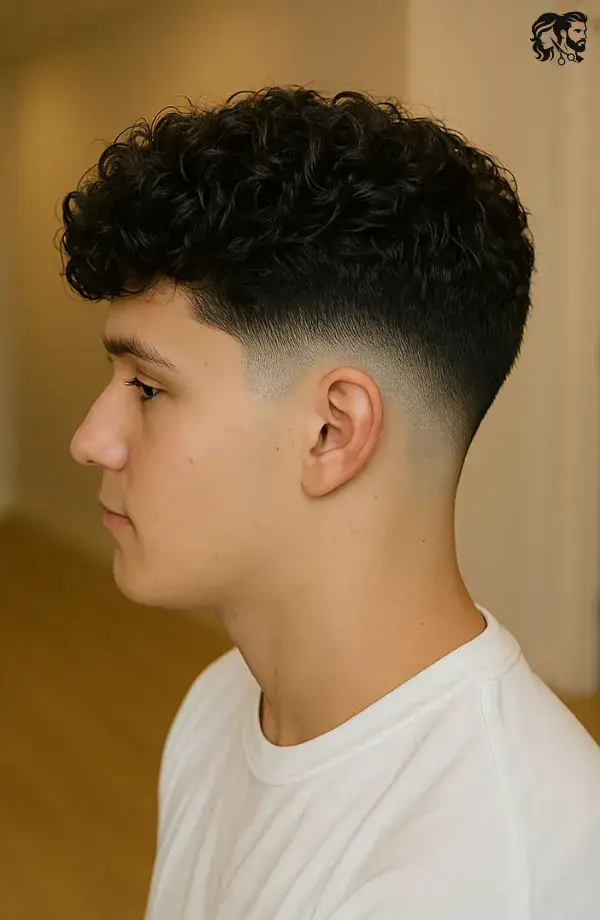
A Low Fade starts just above ear and gradually blends toward the skin, giving a subtle natural transition. This style keeps haircut looking sharp while maintaining a softer more understated finish. It works well for men who want a clean but gentle fade.
Mid Fade
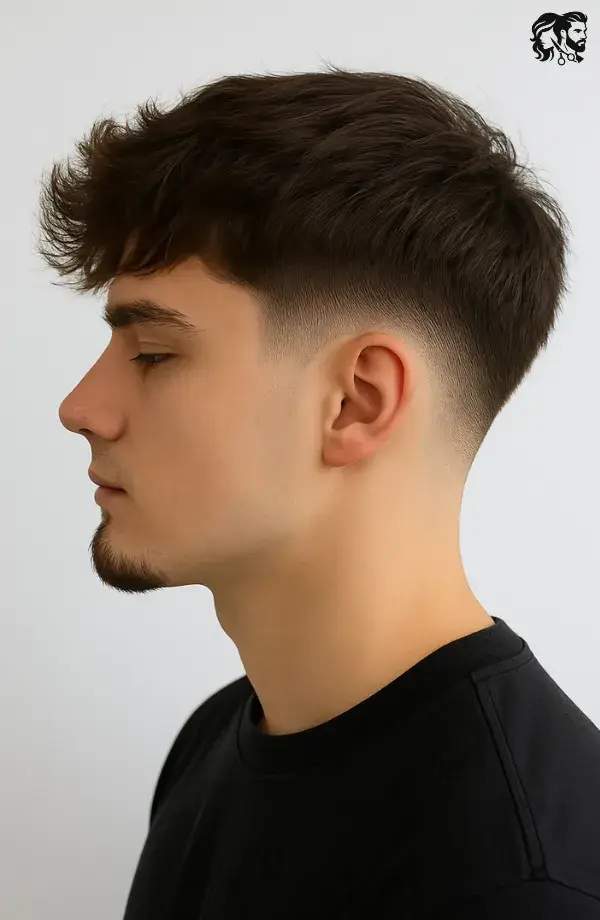
A mid fade sits between a High and Low Fade, offering a balanced look that suits all hair types. It provides noticeable contrast while staying adaptable for both professional and casual styles.
High Fade
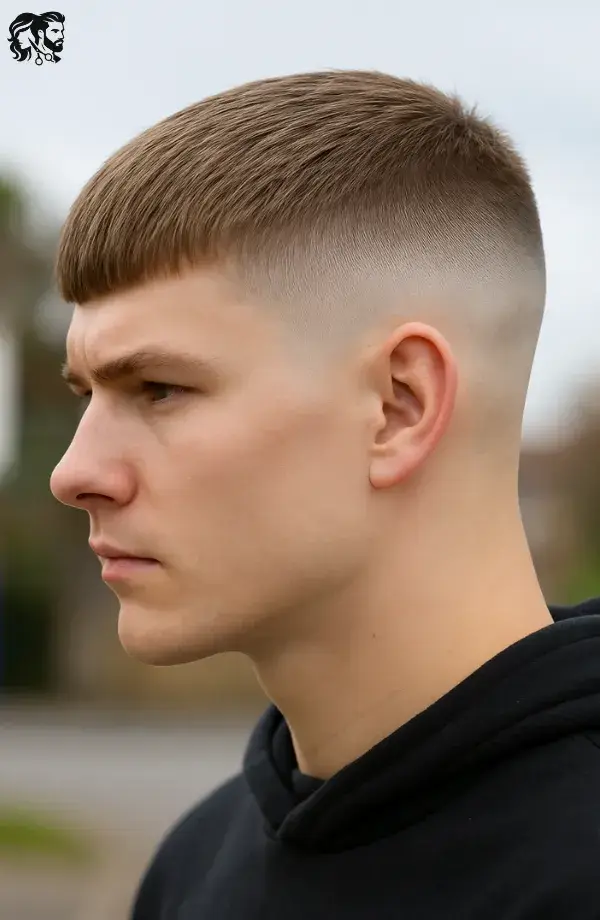
A high fade is a bold statement-making look that starts near temples and creates sharp contrast between longer hair on top and closely cropped sides. This style gives a clean modern edge and always stands out.
Skin Fade (Bald Fade)
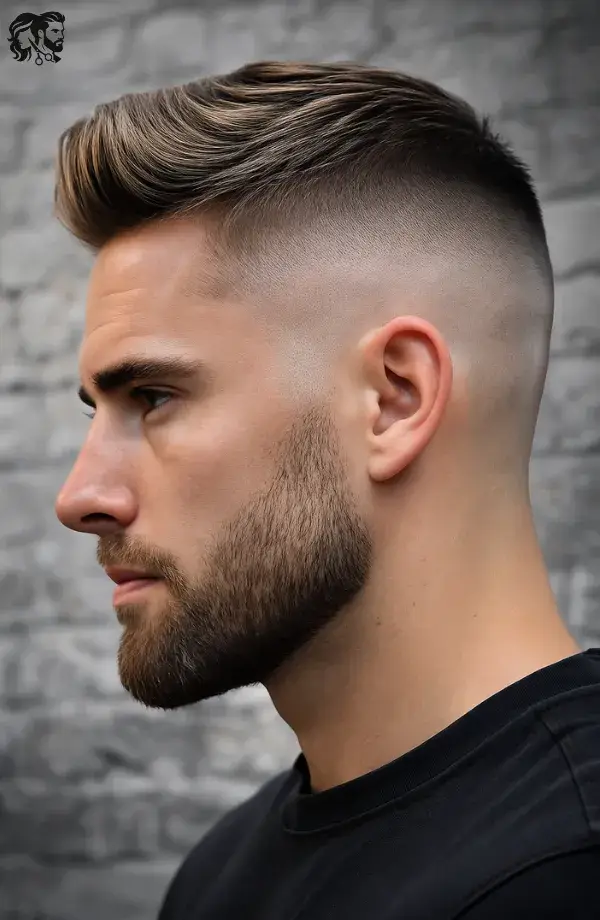
A skin fade blends the sides and back down to the skin, using a shaver for the shortest cleanest cut possible. It is a strong, modern option that needs some upkeep because the contrast grows out quickly.
Taper Fade
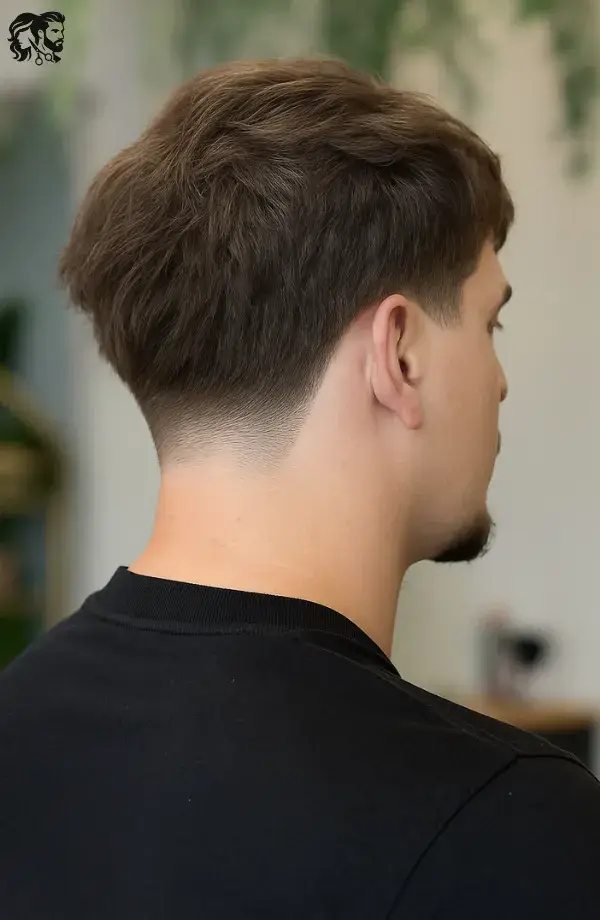
A taper fade starts transitioning hair shorter just above ears, giving a classically handsome lower-contrast look. It stays higher on sides and back, offering a more rebellious fashion-forward style when paired with modern top cuts.
Drop Fade
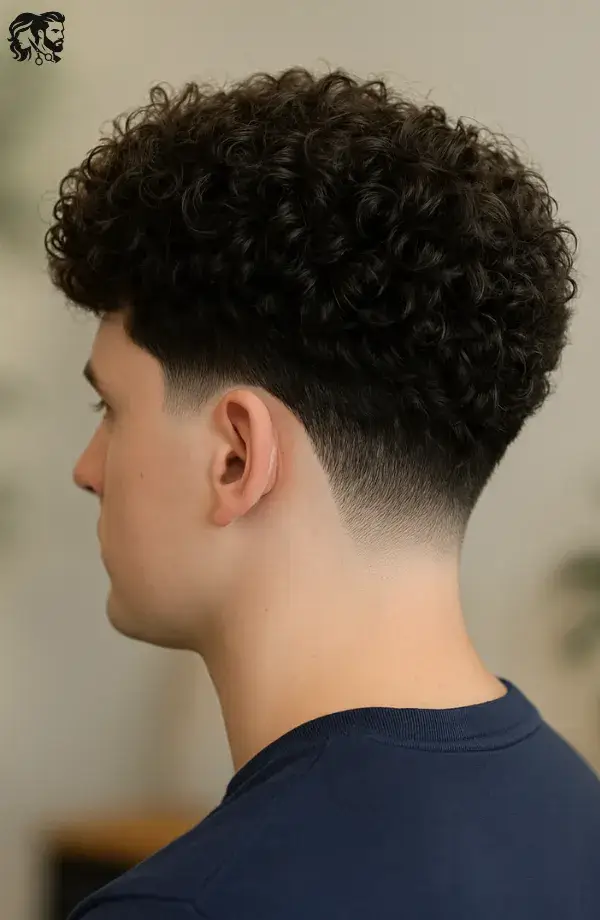
A drop fade features a unique curve that dips down behind ear, creating an eye-catching silhouette. It adds dimension and works well with many top lengths. This fade is perfect if you want to move away from the usual straight-line blends.
Burst Fade
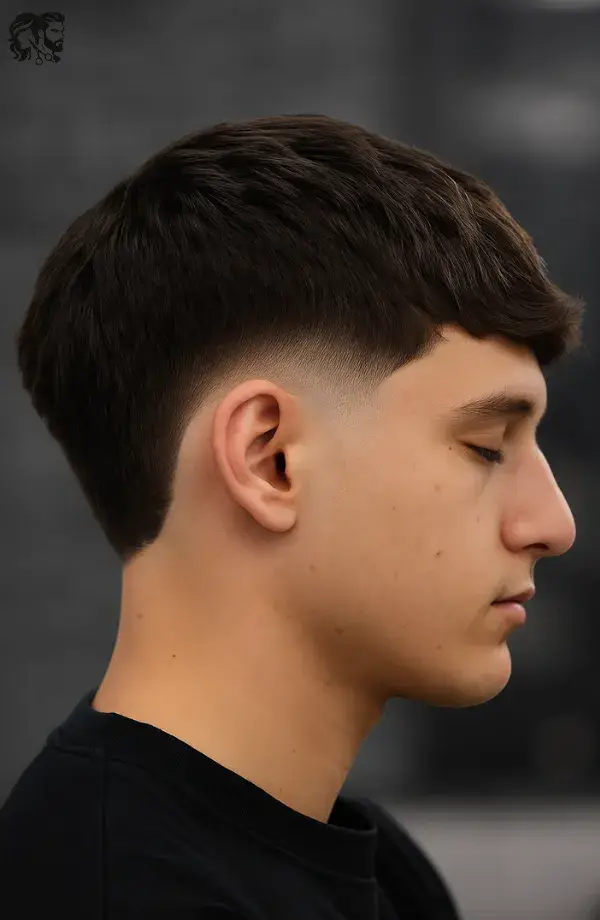
A burst fade curves around the ear in a semi-circle shape. It arches around and ends behind ear, giving a unique burst effect that pairs well with faux hawks, mohawks, and other edgy styles.
Temp Fade (Temple Fade)
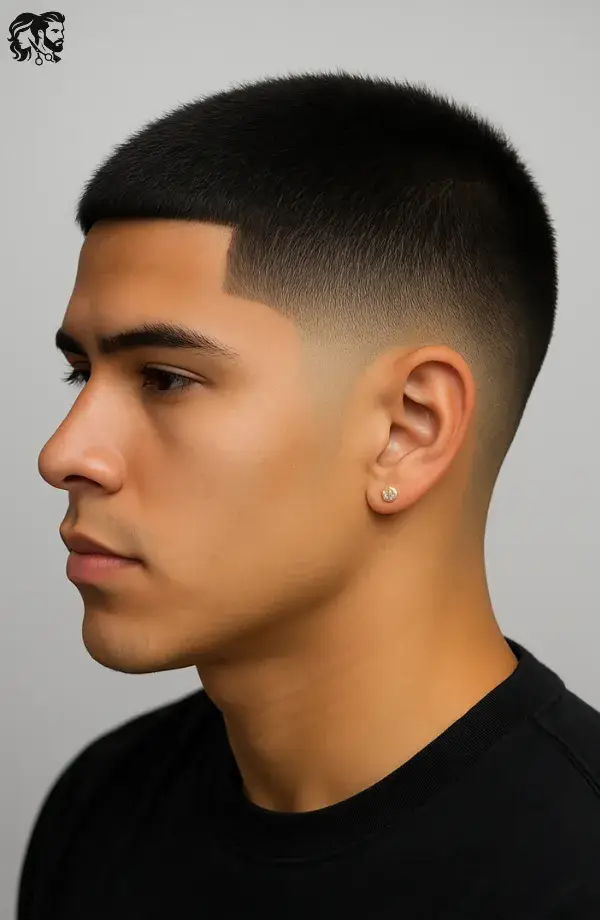
The temp fade, also known as a temple fade or Brooklyn fade, focuses on blending at the front of sides around the temple area. It offers an innovative look that sharpens the hairline and suits many face shapes.
Shadow Fade
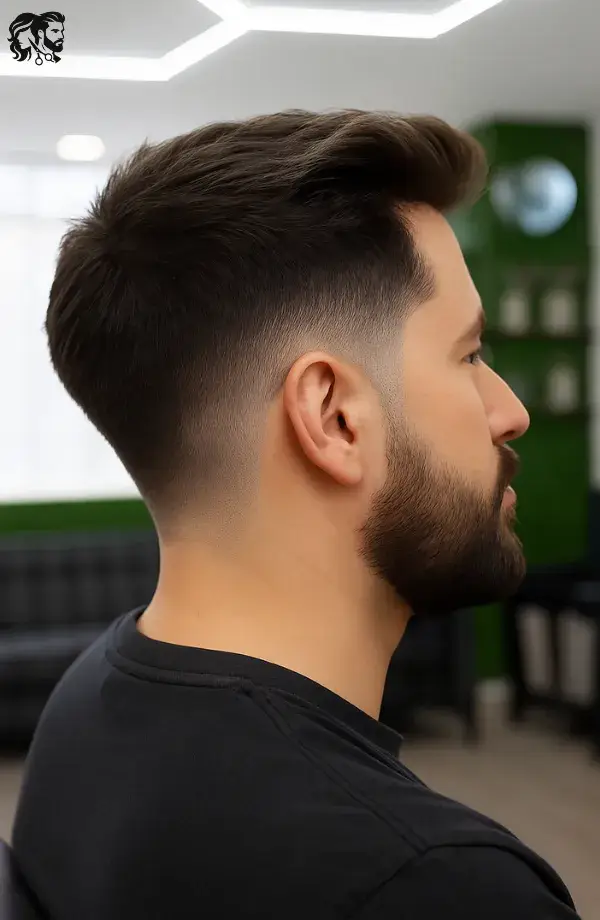
A shadow fade gives a softer look by keeping a bit of length instead of going fully to skin. It creates a smooth blur and is great for men who want a fade that feels clean but not too dramatic.
Scissor Fade
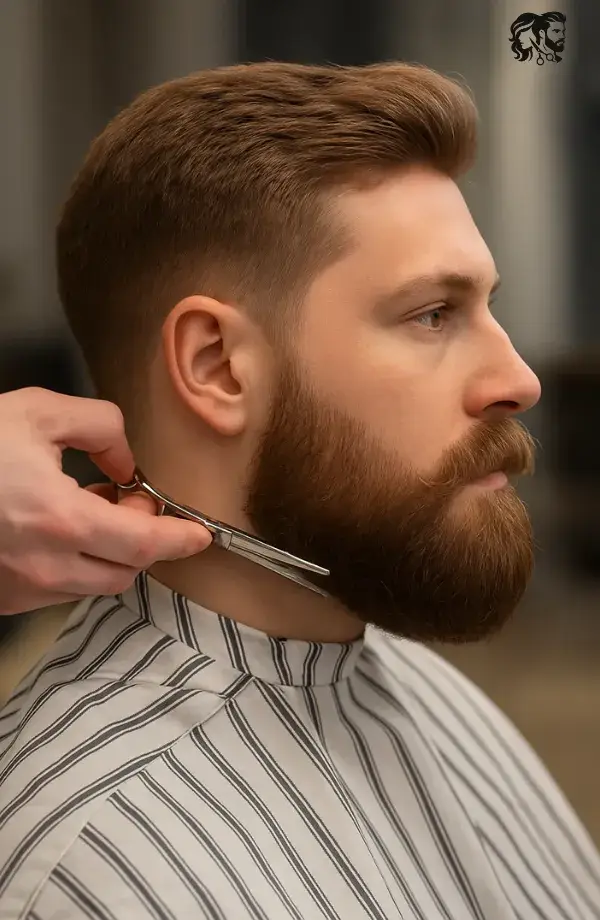
A scissor fade uses shears instead of clippers to create a natural blend. It offers a more controlled cut and works for people who want a fade that feels subtle, textured, and tailored to longer top styles.
What’s The Difference Between a Taper and Fade?
A taper and a fade often confuse people because both involve blending hair shorter, but the final look is very different. A taper gives a softer shape, while a fade creates a stronger visual impact. In simple terms, a taper feels clean and natural, and a fade feels sharp and bold.
Quick Breakdown
A taper is a tapered cut that blends gradually, keeping shorter hair but not cutting down to the scalp. A faded cut often offers sharper transition and can go to the skin, creating an edgy contrast. Both look great, but each serves a different style purpose.
Main Differences Explained
Placement and Intensity
The biggest difference is where the blend starts and how strong it looks. A fade often goes down to skin, while a taper keeps some length at the bottom. Fades rise higher up head, whereas tapers stay around the edges and follow the natural hairline.
Contrast and Style
A fade creates bold eye-catching contrast and is known for its trendier vibe. It can disappear before reaching the natural hairline. A taper leans toward more understated classy styles, giving a less dramatic and clean-cut finish.
Shape and Finish
Think of a taper as a clean outline with a subtle touch, perfect for a polished refined look. A fade is a strong design statement, known for its modern defined cuts and edgy feel. It needs sharp linework because the change in length is more sudden.
Hair Length and Transition
A taper highlights gradually shortening hair length, starting from the longest pieces on top and lowering softly along the sides and neck. A fade can be dramatic abrupt, super short, and sometimes vanishes into skin before reaching the natural line.
Versatility and Usage
A taper works with classic style, professional looks, and anyone who prefers a conservative cleaned-up version of a blend. Fades suit contemporary fashion trends, giving clients extra edge both visually and stylistically.
Hair Types and Compatibility
Fades are closer-cropped than tapers and often used to enhance textured hair, curls, and very short men’s haircut styles that need strong contrast. Tapers suit all hair types and offer flexibility for medium or longer hairstyles.
Client Preference
Most guys ask barbers for low or medium variations of both. A low fade will look similar to a low taper at first because both blend above the ears, but the faded variation ends sharply and may expose scalp, while a taper stays soft and natural.
How to Choose Between a Taper and Fade Haircut
Choosing between a fade and taper comes down to a few things. Your hair type, the desired contrast, and how much time, money, and maintenance you’re willing to invest all play a role. A fade gives sharp definition, while a taper offers a softer, natural outline. Both can complement your hairstyle, but each creates a different feel.
When deciding at the barbershop, think about how both cuts behave as they grow out. A fade needs more upkeep because the sharper blend becomes noticeable sooner. A taper lasts longer because it grows out naturally without losing shape quickly. Understanding these small differences makes choosing easier and helps you get the look that suits your lifestyle.
By Hair Type
Your hair type is the biggest factor when choosing a taper or fade. Straight hair works well with a fade or taper, but fades add more enhancing definition and structure, while tapers add softness and the illusion of fullness. Wavy and curly hair can benefit from a faded haircut on the sides and back, reducing maintenance, but a taper will highlight defined curls.
Both tapers fades and taper fade haircuts can be done on any hair type, which makes them versatile choices. Still, certain textures fit better with specific looks. Thick or coarse hair makes a fade look extra sharp and clean, and men with type 4 hair, which is tightly coiled and textured, also pull off fades easily.
On the other hand, a taper adds texture and dimension to men with type 1 hair, which is straight and fine. Fades work best with thicker hair because they create stronger contrast, while tapers are more flexible, suiting both thick and fine hair with a softer transition.
By Face Shape
Your face shape is another important factor when choosing a fade or taper fade haircut. Both can be tailored for balance. Oval faces work with almost anything, but tapers enhance natural symmetry. Round faces benefit from sharp fades because they add angles and definition. Square faces pair well with tapers because they soften sharp jawlines while keeping structure. Diamond shapes are balanced by both styles as they help even out narrow foreheads and strong cheekbones. Heart shapes gain width at the lower face with either option.
A fade can help elongate rounder faces by drawing attention upward, while a taper supports more angular features, offering balance without drastic contrast. If you work in a corporate or formal environment, a taper is usually the safer and more conservative choice. Fades are often seen as more casual and fashion-forward, making them great for modern looks.
How to Ask Your Barber For a Taper or a Fade Cut
When getting a haircut, the easiest way to get the result you want is to specify whether you want a taper or a fade. A taper features a gradual transition from longer hair to shorter at the bottom, while a fade has a much close-cut finish and stronger contrast. Your barber can match the cut to your style perfectly, but only if you explain what you want clearly.
Be Clear About the Starting Point
Always clearly indicate how high or low you want the fade or taper to start. This matters because the height changes the entire shape of the cut. Whether you prefer a low, mid, or high version, giving your barber a clear guide makes a big difference.
Use Reference Photos
It’s helpful to bring reference photos. Pictures help your barber understand your vision better, especially if you’re unsure how to describe the exact blend or length. A quick screenshot or saved photo can save both of you time.
Talk Through the Details
Most stylists provide consultations and will help you choose a cut that fits your face shape, hair type, and lifestyle. So don’t hesitate to explain what you want. If you want a softer finish, say taper. If you want something bold, say fade. Just bring a photo, mention the height, and be specific about how high or low you want the fade or taper to start.
Unique Hairstyle Examples & Customizations
When you request a taper or fade, you unlock a huge range of styles that can be shaped to match your face shape, texture, and daily routine. Sharing visual references and discussing specific style preferences always helps your barber understand your vision and create a unique style that fits you. Even small changes in height, edge definition, or blending can shift the entire look.
These examples show how both cuts complement different designs, from faux hawk-style height to clean classic shapes. Remember to describe the shape you want, whether you prefer a sharp line, a defined ridge, or a softer, more natural-looking crest. And whatever you choose, keeping your hair smooth and frizz-free with a good pre-styler will help your style last longer and stay polished.
1. Textured Crop with Hybrid Fade
A textured crop with a hybrid fade is ideal when you want a clean outline but still want movement on top. You can request a gradual fade starting just above the ear, then pair it with a short textured top for a balanced shape. It works well because the hybrid blend follows the natural hairline while keeping defined edges through the sides.
Customizations
- Adjust fade height for stronger or softer contrast
- Add slight ridge height for a faux-hawk touch
- Use pre-styler to maintain smooth texture
2. Wavy Flow with Low Taper Edges
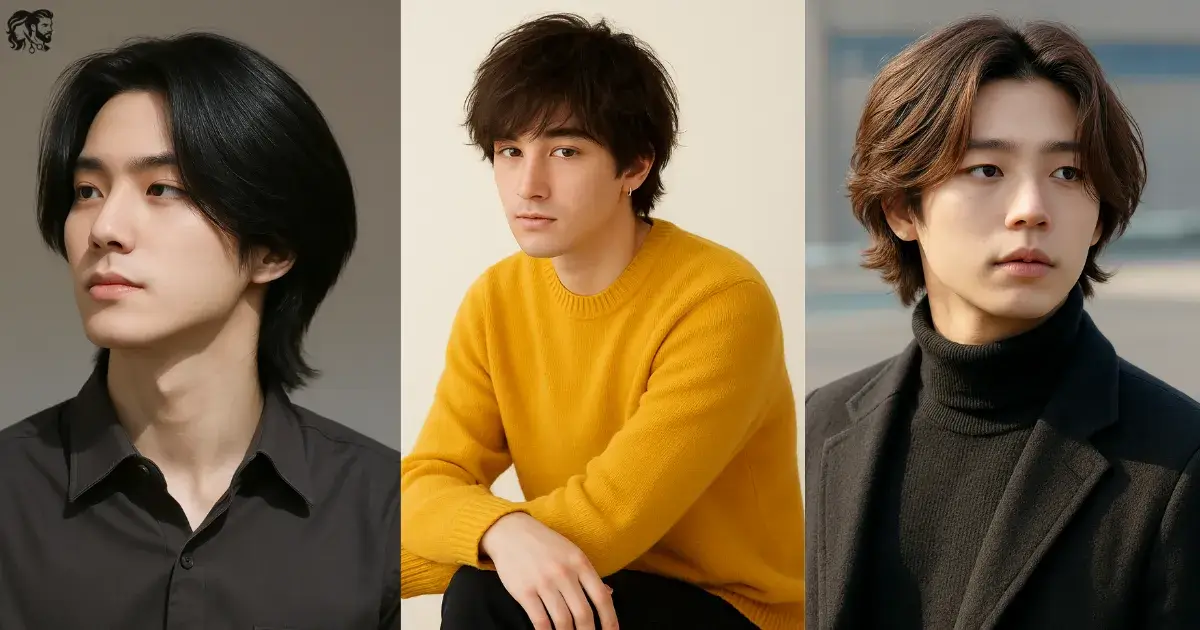
A wavy flow topped with low taper edges gives a polished outline without removing the natural wave pattern. It’s great if you want subtle height and a shape that stays easy to manage between visits. This look blends closely to the ears while keeping natural volume on top.
Customizations
- Keep the taper low to complement wavy hair
- Add hydration product to control frizz
- Light shaping cream to maintain movement
3. Modern Quiff + Skin-Mid Fade
This pairing is perfect for men wanting a bold yet clean appearance. The skin-mid fade creates eye-catching contrast, lifting the height of the quiff and sharpening the profile. It’s especially flattering for guys who enjoy modern shapes with defined edges.
Customizations
- Fade down to skin for extra edge
- Blow-dry quiff upward for added height
- Define hairline for sharper finish
4. Curly Top Burst Fade
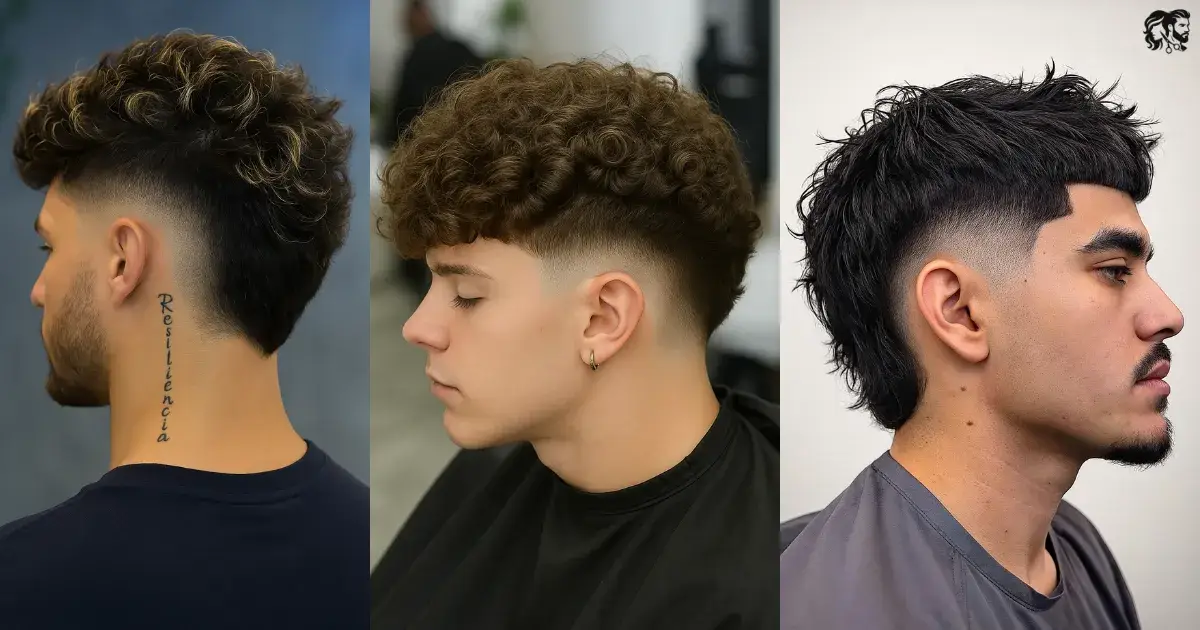
A curly top with a burst fade gives curls a spotlight while the sides form a semi-circle shape for added impact. It naturally complements textured hair and creates the height and width needed for balance. The burst shape dips behind the ear, giving cool visual interest.
Customizations
- Keep curls hydrated to avoid frizz
- Define burst arch for a cleaner silhouette
- Add curl cream for a softer crest
5. Slickback Undercut with Dropped Back
This look combines a sleek finish with a dropped fade that curves around the ear and down the back. It gives the undercut more dimension while keeping the top long for styling flexibility. Works great for men who like bold contrasts with a smooth upper finish.
Customizations
- Drop fade lower for a deeper curve
- Add heat-protective pre-styler before blow-drying
- Keep sides tight to emphasize length on top
6. Spiky Mullet with Mid Taper
The spiky mullet becomes cleaner and more structured when paired with a mid taper. It adds subtle edge without going too extreme, making the back length stand out while keeping the sides neat. A great option if you want a playful shape with a controlled outline.
Customizations
- Taper slightly higher for sharper effect
- Add matte clay for spiky definition
- Keep neckline edges defined for balance
7. Soft Pompadour with Shadow Fade
A soft pompadour blends well with a shadow fade when you want contrast without exposing scalp. It allows gentle blending that supports height without looking too strong. This style is also flattering for men who prefer refined, low-contrast looks.
Customizations
- Add volume powder for lift
- Keep fade soft for natural flow
- Maintain edges for polished detail
8. Thick Fringe with Low Burst
A thick fringe pairs beautifully with a low burst fade because the shape adds width and frames the face. The burst fade behind the ear enhances the silhouette while the fringe keeps the look youthful and stylish.
Customizations
- Trim fringe to match face shape
- Burst fade lower for subtle effect
- Use smoothing cream to keep fringe neat
9. Classic Crew Cut + Scissor Fade
A crew cut and scissor fade produce a clean, timeless style with natural transitions. This is best if you want structure without relying heavily on clippers. It complements men who prefer softer, more controlled blending.
Customizations
- Adjust scissor length for detail
- Slight texture on top for movement
- Light taper at neckline for a defined finish
10. Tousled Brush-Up with High Drop
A tousled brush-up with a high drop fade delivers extra contrast and lifts the entire top shape. The fade follows the head’s natural curve, adding depth behind the ear and giving a modern finish. It works well for men who enjoy striking yet easy styles.
Customizations
- Raise fade higher for more impact
- Use lightweight mousse for volume
- Keep top messy for relaxed texture
STYLING OPTIONS & CELEBRITY EXAMPLES
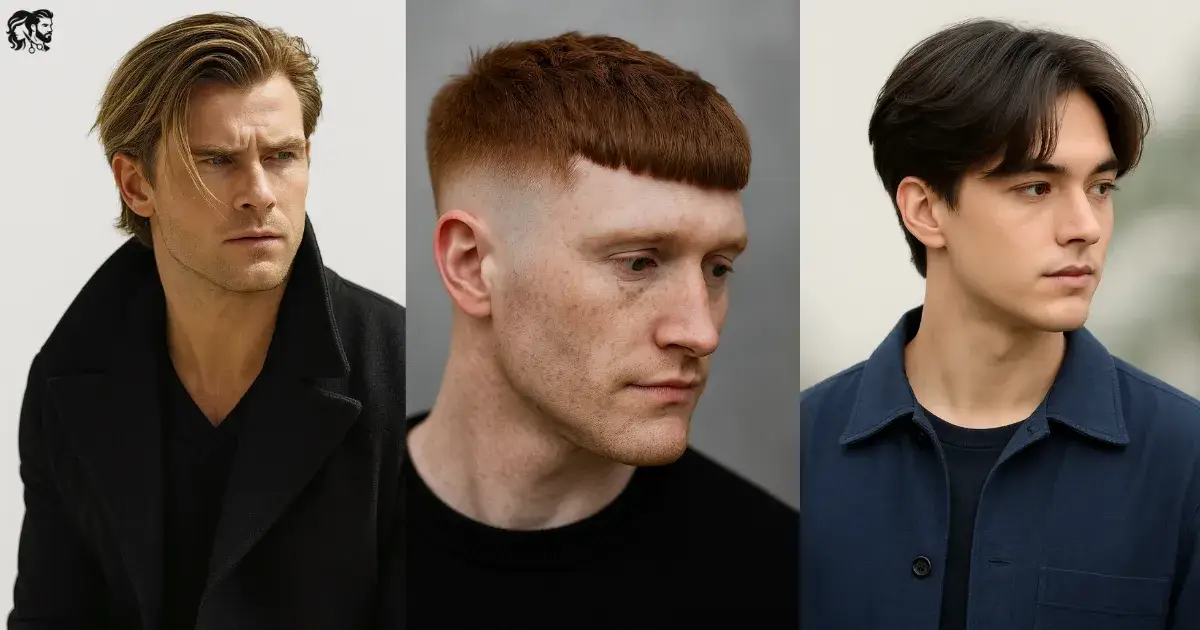
A taper fade is a timeless men’s haircut that pairs well with elegant styles like side parts, slick backs, crew cuts, and layers. It offers a clean outline without extreme contrast, making it perfect for men who want a professional classic look that stays low-maintenance.
Many celebrities you may recognise who have sported a taper haircut include David Beckham, Ryan Gosling, and Chris Hemsworth. Tapers have been around for decades, gaining popularity in the early and mid-20th century as a sought-after style among businessmen and professionals. The neat clean style made it ideal for workplaces and formal events, and even actors from the Golden Age of Hollywood often wore classic taper cuts.
Fades became popular much later, especially in the 1980s and 1990s thanks to the influence of hip-hop culture, athletes, and Military-Inspired grooming. Their bold look quickly became a symbol of style and confidence.
Today, fades are one of the most popular haircuts worldwide, loved by men of all ages for their versatility, edgy appeal, and boldness. Because fades usually involve a more pronounced transition, they work incredibly well with more daring hairstyles like faux hawks, textured crops, or high-top styles.
The clean sharp look of a fade complements hairstyles with volume or structure on top, giving a fresh fashion-forward style with crisp edges that stands out more than a taper.
Comparison of Styling Options & Celebrity Associations
| Style Type | Best For | Key Features | Celebrity Examples |
| Taper | Professional, classic looks | Subtle blend, low contrast, longer top & sides | David Beckham, Ryan Gosling, Chris Hemsworth |
| Fade | Modern, edgy styles | Strong contrast, crisp edges, dramatic transition | Influenced by hip-hop artists, athletes, military cuts |
| Taper Fade | Versatile everyday styling | Clean outline with slight modern edge | Popular with both older and younger men |
Conclusion
A taper and fade both provide sharp, stylish finishes, but they cater to different preferences. Tapers offer a more subtle, versatile look, making them ideal for professional settings, especially if you prefer a classic clean-cut look with a smooth gradual transition. They’re perfect for men who need a more conservative style for work but still want to look polished and stylish. A taper keeps some length on the sides and back, giving a natural shape that grows out well.
A fade, on the other hand, delivers a bold modern appearance with more contrast. Choose a fade if you want a bold eye-catching haircut that stands out and works well with creative or high-volume hairstyles. It takes the hair down to the skin for a sharper more defined look, making it great for men who like keeping their style fresh and trendy. In the end, the difference between taper and fade comes down to transition and boldness. Both styles are versatile, and the best choice depends on your personal style, your maintenance level, and the statement you want to make.
FAQ’s About Taper and Fade Haircuts
Which is better, a taper or a fade?
It depends on your style preference. A taper offers a subtle professional look, while a fade is sharper and trendier if you want more contrast.
Is a taper a low fade?
No. A taper gradually reduces hair length and keeps some at the bottom, while a low fade blends down to the skin.
Do tapers last longer than fades?
Yes. Tapers last longer because they grow out more naturally, needing less maintenance compared to fades.
Who suits a taper?
A taper suits anyone who prefers a clean, low-maintenance look, and it works well with all hair types.
Who suits a fade?
A fade suits men who like a modern edgy style with sharp contrast that stands out.
How much does a taper cost?
Prices vary, but tapers typically cost less because they require less detailed upkeep than high-maintenance fades.
How much does a fade cost?
A fade often costs slightly more due to the precision and upkeep required to keep the blend sharp.
Which haircut lasts longer without touch-ups?
A taper generally lasts longer since it grows out naturally and doesn’t lose shape quickly.
Are fades only for younger men?
Not at all. Fades work for all ages, and many older men choose them for their fresh, youthful appeal.
Will a fade work with curly or wavy hair?
Absolutely. Fades look striking on curly and wavy hair, adding definition and shape to textured styles.
How do I explain what I want to my barber?
Bring a photo, and be specific about how high or low you want the fade or taper to start. Your barber will know exactly what to do.
What’s the difference between a taper and a fade haircut for men?
A tapered cut blends gradually into shorter hair, while a faded cut offers a sharper transition down to the skin for an edgy contrast.

I’m Jaxon Miles, a professional barber with almost 7 years of experience in the grooming world. I’m based in the United States, and I’ve built my craft around helping people look sharp with styles that fit their lifestyle.
My Experience & Expertise ✂️
Master of Modern Men’s Hairstyles: Over the years, I’ve worked with every hair type and style you can imagine. From clean tapers to textured cuts, I focus on looks that are modern, practical, and tailored to each person. 🔥
Writer & Educator ✍️
Along with cutting hair, I’m also the content writer for Style X Roots. I share:
Hairstyle ideas ✨
Hair care tips 💧
Product recommendations 🧴
Trend breakdowns 📈
Step-by-step cut and style guides ✂️
I write based on real barber experience, not guesswork.
1 thought on “Taper vs Fade Haircuts: Which Style Actually Looks Better on You?”