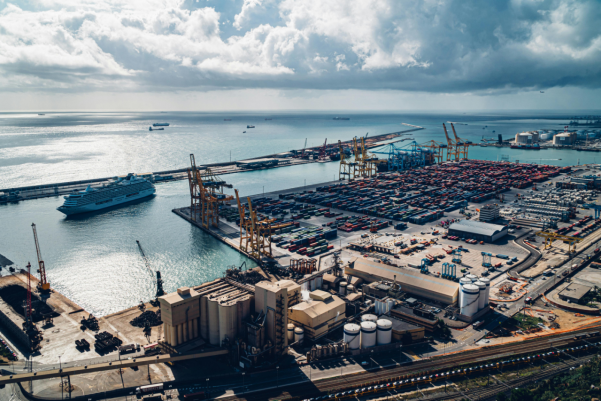
The Growing Importance of Port Level Data
Shipping ports sit at the center of global trade, acting as gateways for raw materials and finished goods. Every container movement, vessel arrival, delay, and congestion incident generates valuable data. Historically, much of this information was underutilized or reviewed after delays had already occurred.
Today, port data is being captured in near real time and shared across digital platforms. This includes vessel schedules, container dwell times, berth availability, and customs clearance activity. When analyzed effectively, these data points reveal early indicators of potential disruptions and bottlenecks. Organizations that monitor port activity closely can anticipate delays days or even weeks before they impact downstream operations.
How AI Turns Raw Data Into Actionable Insights
While access to port data is valuable, its true power emerges when combined with artificial intelligence. AI systems can process massive volumes of structured and unstructured data far beyond what human analysts can handle. Machine learning models detect patterns, correlations, and anomalies that are otherwise difficult to identify.
AI can analyze historical port congestion patterns, weather conditions, labor activity, and vessel traffic to generate predictive insights. For example, algorithms can forecast when a specific port is likely to experience delays based on similar past conditions. This predictive capability enables businesses to reroute shipments, adjust inventory levels, or revise delivery timelines before disruptions escalate into costly problems.
Real Time Visibility Across Global Networks
One of the most significant advantages of combining AI and port data is enhanced end to end visibility. Traditional tracking systems often provide limited updates, leaving logistics teams reactively managing issues once they arise. AI driven platforms continuously ingest live port data and update forecasts in real time.
This visibility allows supply chain managers to see how a delay at one port may ripple through other nodes such as distribution centers, rail networks, or manufacturing plants. With comprehensive dashboards and alerts, teams can prioritize high risk shipments and coordinate responses across departments. This shift from reactive to proactive management is redefining operational efficiency.
Improving Forecasting and Demand Planning
Accurate forecasting depends on understanding both supply conditions and external influences. Port activity data offers valuable clues about broader trade trends, including import volumes, export slowdowns, and seasonal fluctuations. AI systems can align these signals with internal sales and inventory data to create more accurate forecasts.
When shipping port data is used as an early indicator, businesses gain a clearer picture of supply availability before goods arrive at their facilities. These insights strengthen supply chain intelligence by enabling better demand planning, inventory optimization, and production scheduling. As a result, companies can reduce stockouts, limit excess inventory, and improve customer satisfaction.
Strengthening Risk Management and Resilience
Supply chain disruptions have become more frequent due to factors such as extreme weather, labor shortages, and geopolitical uncertainty. AI powered analysis of port data helps organizations identify vulnerabilities and plan mitigation strategies. By monitoring congestion trends and regional risks, companies can diversify routing options and avoid overreliance on single ports or corridors.
Scenario modeling is another powerful advantage. AI systems can simulate the impact of port shutdowns or capacity constraints, allowing leaders to test contingency plans before disruptions occur. This capability enhances resilience and supports faster recovery when unexpected events arise.
Supporting Smarter Decision Making Across Teams
The value of AI and port data extends beyond logistics departments. Procurement teams can use port insights to assess supplier reliability and lead time variability. Finance teams benefit from more accurate cost forecasting and cash flow planning. Sales and customer service teams gain clearer expectations around delivery timelines.
When insights are shared across the organization, decision making becomes more aligned and data driven. AI enabled platforms translate complex port activity into understandable metrics and recommendations. This shared intelligence reduces silos and improves collaboration across functions.
The Future of Data Driven Supply Chain Strategy
As digital transformation accelerates, the integration of AI and shipping port data will continue to evolve. Emerging technologies such as digital twins, autonomous logistics planning, and real time global monitoring will further enhance how businesses manage complexity. Organizations that invest early in these capabilities position themselves to compete more effectively in volatile markets.
The shift toward predictive and adaptive supply chains is no longer optional. AI powered insights derived from port level data are becoming a core component of modern logistics strategy. By leveraging these tools, businesses can move beyond basic tracking and develop a deeper understanding of how global flows influence performance.
A New Standard for Competitive Supply Chains
AI and shipping port data are redefining how organizations see, plan, and respond within global supply networks. The ability to anticipate disruptions, optimize decisions, and improve coordination sets a new standard for operational excellence. As access to data expands and analytics become more sophisticated, companies that embrace these capabilities will gain a lasting strategic advantage.
Smarter visibility, stronger forecasting, and proactive risk management are no longer future goals. They are achievable outcomes for organizations ready to transform how they manage their supply chains in a data driven world.