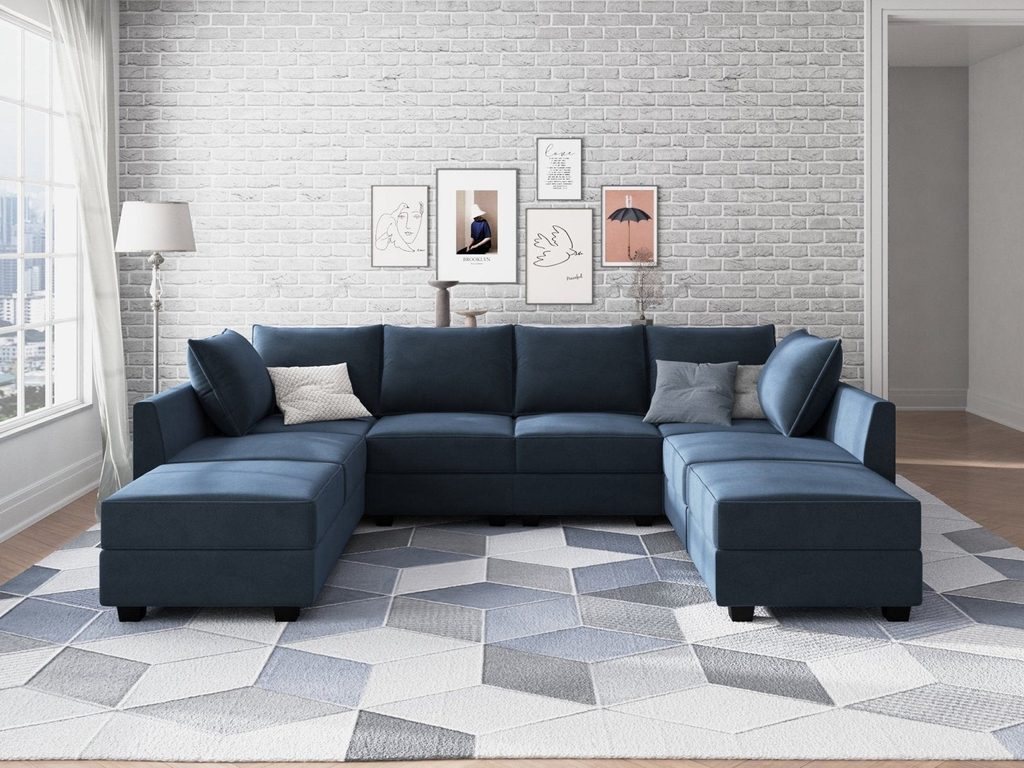
Velvet used to be reserved for a formal parlor — the kind of room you dusted once a week and rarely sat in. Modern velvet is a different animal. Today’s woven pile fabrics are pet-friendly, stain-resistant, and engineered for daily lounging. When they cover a sleeper frame, the result is one of the most useful upgrades you can make to a small living space. Guests get a real bed. You get a couch you actually want to lie on. And the room finally has that quiet, plush presence that makes people slow down when they walk in.
What surprises most first-time buyers is how practical the format has become. The sleep mechanisms are smoother, the mattresses inside are thicker, and the fabric no longer feels like something you have to protect from ordinary life. This piece walks through why velvet has come back for everyday use, how a sofa bed changes a small home, what to look for in color and pile, and how to keep the sheen intact for years. Whether you host regularly or just want a lovelier place to unwind, the reasoning is worth going through carefully.
The Everyday Comeback of Velvet
The velvet in a modern living room has almost nothing in common with the crushed, delicate versions from a generation ago. Woven from polyester or a poly-cotton blend, today’s pile fabrics resist snags, crushing, and light stains, and many are treated to release liquid before it soaks in. That has changed which rooms it belongs in. It used to live in the sitting room nobody used. Now it lives in the room where the dog naps.
The look has evolved too. Contemporary velvets read as matte and moody rather than shiny and formal, which lets them sit comfortably alongside oak floors, ceramic lamps, and linen curtains. It is why designers keep specifying a velvet sofa bed for smaller apartments — the material adds depth in a room that would otherwise feel flat, without the fragility that used to come with it.
A Second Bed Without a Second Room
The most powerful thing a sofa bed does is give you a guest room you did not have. That matters most in apartments and small houses, where a spare bedroom is a luxury nobody can spare. Instead of a rarely-used futon or an air mattress that lives in the closet, you get a couch you sit on every night and a proper sleeping surface for the two nights a year your in-laws visit. In a studio, the equation is even better: your everyday sofa becomes your bed without either role feeling like a compromise.
The trick is choosing a mechanism that matches how often you will actually use it. A pull-out with a coil mattress feels closest to a real bed and works well if guests stay for more than a night. A click-clack or tri-fold system converts faster and is ideal for the occasional overnight. Ask about the folded thickness of the mattress, because that is what decides whether your guests wake up refreshed or achy.
Choosing the Right Color and Pile
Velvet reads differently from any other upholstery because the pile catches light from every direction. That means the color you choose in a showroom can look meaningfully different at home. Deep jewel tones — emerald, navy, burgundy — feel enveloping in rooms with warm lighting and darker floors. Softer earth tones like sand, clay, and dove grey behave more like neutrals and let the room’s other elements breathe. If you are unsure, order a swatch and live with it near the window for two full days before you commit.
Pile height matters just as much as color. Short pile is easier to vacuum and hides seating marks. Longer pile feels more sumptuous underhand but shows crush patterns. For a piece that will be sat on every night and slept on regularly, most homes will be happier with a shorter pile that keeps its structure through years of use.
Making It Comfortable to Sleep On
A velvet sleeper only feels like an upgrade if the sleep is actually good. Start with the mattress. A thicker foam layer with a firm base is far more forgiving than a thin single-density pad, and a pocketed coil inside a well-designed mechanism is closer still to a real bed. Look for a frame that lets the mattress lie flat without a hard middle bar under the sleeper’s back — that bar is the most common complaint about older sofa beds.
Pay attention to the bedding too. Fitted sheets sized for a specific sleeper mechanism stay tucked much better than trying to make a queen sheet work on a full-size pull-out. Keep a set stored in an under-sofa drawer or a nearby ottoman so preparing the bed takes minutes, not a search through the linen closet. When conversion is easy, the sofa bed actually gets used.
Care That Keeps the Sheen for Years
Velvet asks for a little routine attention and rewards it generously. Vacuum with the upholstery attachment weekly, running the brush in the direction of the pile so the surface stays uniform. When crush marks appear on cushions, a soft brush and a light steam from a garment steamer usually restore the nap in a couple of passes. For spills, blot immediately with a clean white cloth — never rub, and never soak — then let the area dry naturally before brushing the pile back into line.
Rotate cushions monthly if the design allows, and flip any that are reversible. HONBAY builds many of its velvet frames with zippered covers, which lets you spot-clean or fully replace panels without a professional service call. That kind of design choice is what turns a nice-looking sofa bed into a piece that still looks nice five years from now.
A Softer Way to Host, Rest, and Live
A velvet sofa bed earns its space in a way few pieces of furniture do. It is where you drop after a long day, where guests sleep when they visit, and where the room’s mood is quietly set every evening the light shifts across the fabric. The material has grown up. The mechanisms have grown up. And the format has become one of the smartest choices for anyone who wants their living room to work harder without looking like it is trying. Choose a color you can live with, a pile height that suits daily use, and a mattress you would happily sleep on yourself. Vacuum it once a week, blot the occasional spill, and rotate the cushions when you remember. Do that, and you end up with something rare: a piece of furniture that gets more useful and more beautiful the longer you live with it.