Picture this: you’re halfway through tearing out your old bathroom tiles, and suddenly you realize the small pile of debris you imagined has turned into a mountain of broken porcelain, drywall chunks, and twisted pipes. Where does it all go? For homeowners and contractors across Oshawa, this scenario plays out almost daily. That’s exactly where 14 yard bin rental Oshawa services step in to save your project from turning into a cluttered disaster. Choosing the right dumpster size can feel overwhelming when you’re staring at a mess, but it doesn’t have to be complicated. In fact, understanding your options might be the difference between wasting money on too much space or scrambling to rent a second bin because you underestimated. Throughout this guide, you’ll discover everything from sizing secrets to pricing breakdowns, plus the local regulations that keep your rental hassle-free. Whether you’re tackling a kitchen refresh, clearing out decades of basement storage, or managing a small roofing project, you’ll walk away knowing exactly how to match your waste to the perfect bin. Therefore, let’s cut through the confusion and get straight to what matters for your Oshawa project.
A 14-yard bin rental is often a practical solution for outdoor improvement projects, including property cleanups and landscaping services in Michigan.
Understanding 14 Yard Bin Rental Oshawa Dimensions and Capacity
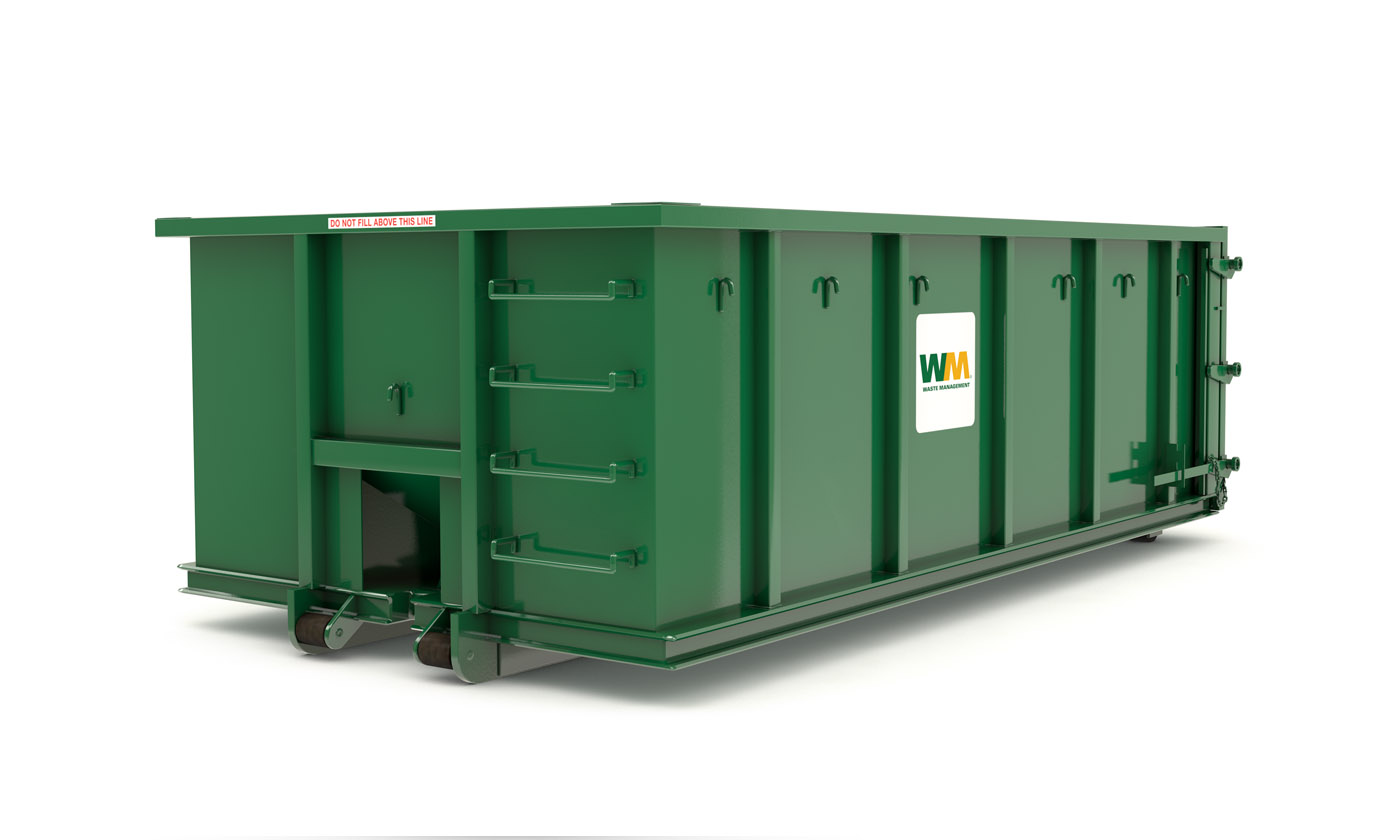
A 14 yard bin measures roughly 14 feet long, 7.5 feet wide, and 4.5 feet high, which sounds technical until you compare it to something familiar. Think of it as slightly larger than a full-size pickup truck bed stacked about waist-high with debris. However, the real magic isn’t in the measurements but in what that space actually holds. This bin comfortably swallows around six pickup truck loads of material, making it surprisingly spacious for mid-sized residential work. For example, you could toss in all the debris from a complete bathroom demolition, including the old vanity, toilet, tiles, and drywall, and still have room left over.
Most homeowners underestimate how much waste their projects generate, so this size offers a comfortable buffer without going overboard. In addition, the 14 yard bin sits low enough that you won’t need a ladder to toss materials over the side, which keeps loading safe and straightforward. As a result, older adults or anyone working solo can manage the bin without risking injury. The weight capacity typically handles around 2 to 3 tons of material, depending on what you’re throwing away. Dense materials like concrete or soil fill up that weight limit faster than lighter items like wood or drywall.
Furthermore, the bin’s footprint fits neatly on most standard driveways without blocking your entire property or spilling onto the street. Because of this, neighbors won’t complain, and you won’t need to shuffle cars around constantly. The sides are solid steel, so your debris stays contained even on windy Oshawa days. That is why this size has become the go-to choice for homeowners who want serious capacity without the bulk of larger commercial bins. It strikes that sweet spot between “too small to be useful” and “so massive it takes over your yard.”
When to Choose 14 Yard Bin Rental Oshawa for Your Project
Bathroom renovations top the list of perfect projects for this bin size because they generate heaps of mixed debris in a compact space. You’ll fill it with broken tiles, old fixtures, rotted subflooring, and chunks of drywall without worrying about overflow. Similarly, kitchen remodels benefit from this capacity, especially when you’re ripping out cabinets, countertops, appliances, and flooring all at once. The bin handles the volume while staying manageable for residential properties. On the other hand, garage cleanouts often surprise people with how much junk accumulates over the years, from broken lawn equipment to boxes of forgotten holiday decorations.
A 14 yard bin gives you the freedom to purge aggressively without making multiple trips to the dump. In addition, small roofing jobs like replacing shingles on a single-story home or a detached garage fit perfectly within this capacity. Asphalt shingles are heavy, so the bin’s weight limit matters just as much as its size. Therefore, contractors appreciate knowing they can strip an average roof and stay within the bin’s tolerances. Basement decluttering projects also benefit tremendously, especially when families finally tackle those storage corners filled with outdated furniture, old carpeting, and mystery boxes from three moves ago.
For instance, one Oshawa homeowner recently cleared 30 years of accumulated items from their basement and filled a 14 yard bin to the brim, finally reclaiming usable space. Flooring replacement jobs also match this bin size beautifully because hardwood, laminate, or tile removal creates surprising volume once you start prying up layers. However, if you’re planning a whole-house gut renovation or a major landscaping overhaul with soil removal, you might need to consider stepping up. Still, for most weekend warriors and moderate-scale contractors, this bin delivers exactly what you need without excess.
14 Yard vs 20 Yard Bin Rental Oshawa: Which Do You Need?
Choosing between bin sizes comes down to honest project assessment rather than guesswork, so let’s break it down clearly:
Volume comparison: A 20 yard bin holds roughly 40% more material than a 14 yard, which sounds significant until you realize most residential projects don’t generate that extra volume.
Physical footprint: The larger bin stretches about 22 feet long compared to 14 feet, meaning it might not fit comfortably on smaller driveways or tight urban lots.
Cost difference: Expect to pay 20-30% more for the upgrade, which adds up quickly if you’re budget-conscious and don’t truly need the space.
Loading height: A 20 yard bin stands taller, so you’ll work harder to heave debris over the sides, especially toward the end of your project when fatigue sets in.
However, 20 yard bin rental Oshawa makes perfect sense for larger-scale work like whole-home cleanouts, major landscaping projects, or multi-room renovations happening simultaneously. For example, if you’re gutting both bathrooms and a kitchen at once, the extra capacity saves you from playing Tetris with your waste. On the other hand, overestimating your needs means paying for empty air space, which nobody enjoys.
Furthermore, weight limits matter just as much as volume when comparing sizes. Both bins typically max out around 2-3 tons, so if you’re disposing of heavy materials like concrete, brick, or soil, you’ll hit the weight limit long before you fill the space. That is why contractors often choose the 14 yard for dense debris, knowing the smaller footprint doesn’t handicap capacity when weight is the real constraint. In addition, delivery logistics get trickier with larger bins because they require more maneuvering room and stronger surface support. Therefore, think about your driveway’s condition before assuming bigger is always better. Most Oshawa homes with standard driveways find the 14 yard fits perfectly without risking surface damage or blocking access.
Understanding 14 Yard Bin Rental Oshawa Pricing
Typical rental costs in Oshawa range from $300 to $450 for a 14 yard bin, though several factors push prices up or down from that baseline. The rental period plays a huge role because most companies include 7 to 14 days in the base price, then charge daily fees for extensions. For instance, if your renovation takes longer than expected, those extra days add $10 to $20 each, which sneaks up quickly. Similarly, the type of waste you’re dumping matters more than most people realize. General household junk and construction debris fall under standard pricing, but heavy materials like concrete, asphalt, or dirt often trigger surcharges because they max out weight limits faster.
Your location within Oshawa also influences the final bill since delivery fees increase the farther you sit from the rental company’s yard. Therefore, suburban addresses sometimes pay an extra $50 to $75 compared to downtown customers. However, the best value comes from asking upfront about what’s included rather than discovering hidden fees on your final invoice. In addition, weight limits typically cap around 2 to 3 tons, and overage charges hit hard if you exceed that threshold. Companies charge anywhere from $50 to $100 per additional ton, so knowing your material’s weight beforehand saves serious money.
Furthermore, seasonal pricing variations catch people off guard because spring and summer bring premium rates when everyone tackles outdoor projects simultaneously. Because of this, booking during fall or winter often scores discounts of 10-20% if your timeline allows flexibility. Still, most companies negotiate on price if you’re a repeat customer or bundling multiple rentals for a larger project. As a result, don’t hesitate to ask about package deals or promotional rates. The transparency of pricing separates reputable companies from those padding invoices with surprise fees, so always request a detailed quote in writing before committing.
Where to Place Your Bin and Local Guidelines
Oshawa permit requirements vary depending on where you position your dumpster, so understanding the rules prevents headaches down the road. If the bin sits entirely on your private property, like a driveway or large yard, you typically won’t need a permit at all. However, placing it on the street or any public right-of-way requires approval from the city, which involves submitting an application and paying a fee. Therefore, most homeowners opt for driveway placement whenever possible to skip the bureaucracy. In addition, your chosen spot should offer enough clearance for the delivery truck to drop the bin and pick it up later without squeezing through tight spaces.
Best placement locations include:
Wide driveways: Ideal because they keep the bin close to your work area while staying on private property and off the street.
Front yard setbacks: Useful when driveways are too narrow, though you’ll want to protect grass with plywood sheets underneath.
Side yards: Work well for homes with wide lot lines, keeping the bin accessible but out of the main traffic flow.
Street placement: Sometimes necessary for narrow properties, but requires a city permit and consideration for traffic patterns.
Protecting your driveway matters because even an empty 14 yard bin weighs over a ton, and a full one can crack asphalt or damage concrete if left too long. As a result, placing plywood boards under the bin’s feet distributes weight evenly and prevents permanent indentation. Furthermore, neighborhood considerations shouldn’t be ignored since a dumpster parked too close to a neighbor’s property or blocking their view might spark complaints. Distance from your work area also impacts efficiency because hauling debris across your entire yard gets exhausting fast. Finally, accessibility for delivery and pickup trucks requires at least 10-12 feet of overhead clearance from trees, power lines, or overhangs, plus enough width for the truck to maneuver without scraping fences or vehicles.
Acceptable Materials for Your Rental
Approved items include most construction debris like drywall, lumber, flooring materials, and roofing shingles, making the bin perfect for renovation work. Household junk such as old furniture, appliances without refrigerants, mattresses, and general clutter also gets the green light. In addition, yard waste like branches, leaves, soil, and sod fits the bill for outdoor cleanup projects. However, the bin isn’t a catch-all for everything you want gone, so knowing the restrictions saves trouble.
Prohibited items include hazardous materials like paint, chemicals, pesticides, motor oil, and batteries because they require specialized disposal facilities. Similarly, electronics such as computers, televisions, and monitors contain components that can’t mix with regular waste streams. Appliances with refrigerants like fridges, freezers, and air conditioners need separate handling to prevent environmental damage. Therefore, attempting to sneak these items into your bin could result in additional fees or outright refusal of pickup. For instance, if a driver spots prohibited materials during collection, they might leave the bin untouched until you remove the offending items.
Furthermore, special handling for certain materials keeps both you and the rental company compliant with local regulations. Mattresses and box springs often require wrapping in plastic, while tires might need separate drop-off arrangements. As a result, asking your rental provider about specific items beforehand prevents last-minute scrambling. Environmental considerations in Oshawa push toward responsible disposal because the city takes waste management seriously. That is why most companies partner with recycling facilities to divert reusable materials away from landfills whenever possible. Still, separating recyclables yourself before loading can sometimes earn you a discount or at least good karma for helping the environment.
Smart Loading Tips for Your Dumpster
Breaking down large items transforms unwieldy furniture and bulky materials into manageable pieces that pack efficiently. For example, disassembling an old deck or taking apart shelving units creates flat pieces that stack neatly instead of wasting space with awkward air gaps. Similarly, snapping drywall into smaller chunks or cutting long boards into shorter sections maximizes every inch of your bin. However, safety comes first, so always wear gloves and eye protection when breaking materials apart.
Filling strategically starts with placing heavy items like concrete chunks, dirt, or dense debris on the bottom layer where weight distributes evenly. Then layer lighter materials such as wood, drywall, and cardboard on top to avoid crushing fragile items or creating unstable piles. In addition, avoiding air pockets means playing Tetris with your waste, fitting smaller pieces into gaps between larger ones. Therefore, don’t just toss everything randomly and hope for the best.
Furthermore, staying within weight limits protects you from overage fees while keeping the bin safe for transport. Most companies provide weight guidelines based on material type, so concrete and soil projects need extra attention. As a result, spreading dense materials throughout the rental period rather than dumping them all at once helps gauge your approach to the limit. Finally, safety considerations when loading mean never overfilling past the bin’s rim because items could shift during transport and create road hazards. That is why rental agreements typically specify a level fill line you shouldn’t cross. Proper loading saves you money by fitting more waste into the allowed space without triggering penalties, which makes the entire rental process smoother and more cost-effective for your Oshawa project.
How to Rent Your Bin in Oshawa
Simple booking steps start with calling or filling out an online form where you specify your bin size, desired delivery date, and project location. Most companies respond within hours, especially during weekdays when offices are fully staffed. Therefore, planning ahead by a few days ensures availability during busy seasons when bins move fast. However, same-day or next-day delivery often works for urgent situations if you’re flexible on timing.
Information you’ll need to provide includes your complete address, the best placement spot for the bin, your project timeline, and the type of materials you’ll be disposing of. In addition, having your payment method ready speeds up the process since most companies require payment upfront or a deposit to secure your reservation. As a result, gathering this information before contacting rental services saves time on callbacks and confirmations.
Delivery timeline expectations typically range from 24 to 48 hours after booking, though peak seasons might extend that slightly. For example, spring renovation season sees higher demand, so scheduling a week in advance protects your project timeline. Similarly, rental period options usually start at 7 days, with extensions available for daily fees if your work takes longer than anticipated. Furthermore, pickup scheduling works best when you call a day or two before you’re finished, giving the company time to route their trucks efficiently. Because of this, last-minute pickup requests might face delays if the schedule is already packed. Finally, customer service and support separate great rental companies from mediocre ones, so choose providers who answer questions clearly and handle concerns promptly. That is why reading reviews from other Oshawa customers gives you insight into responsiveness and reliability before you commit.
Final Words
Choosing 14 yard bin rental Oshawa services doesn’t have to feel like guesswork when you understand what your project truly demands. The right bin size balances capacity with cost, giving you enough space for debris without paying for emptiness you’ll never fill. Throughout your renovation, cleanout, or construction project, knowing the dimensions, pricing factors, and local regulations keeps everything running smoothly from delivery to pickup. Therefore, taking time to assess your waste volume honestly and comparing it against bin specifications prevents both overflow disasters and wasted money. In addition, smart loading techniques and following placement guidelines protect your property while maximizing the bin’s usefulness. Whether you’re gutting a bathroom, clearing decades of clutter, or managing a roofing project, the 14 yard size delivers that perfect middle ground for most residential work. Furthermore, working with responsive rental companies who explain their pricing clearly and support you through the process makes the entire experience stress-free. As a result, your project stays on track, your property stays clean, and your budget stays intact. So before you start swinging that sledgehammer or hauling boxes, contact a trusted Oshawa rental service and lock in your bin. Your future self will thank you when debris disappears as fast as you create it, leaving you focused on building something better instead of drowning in waste.
FAQs
Q1: How long can I keep a 14 yard bin rental in Oshawa?
Most rental periods include 7 to 14 days in the base price, with daily extension fees available if your project runs longer. Therefore, discussing your timeline upfront with the rental company helps you choose the right package and avoid surprise charges.
Q2: Can I put shingles in a 14 yard bin?
Yes, asphalt shingles are acceptable, but they’re heavy and fill the weight limit quickly. As a result, small roofing jobs work perfectly, though you should confirm weight restrictions with your provider beforehand to avoid overage fees.
Q3: Do I need a permit to place a bin on my driveway in Oshawa?
No, you typically don’t need a permit if the bin stays entirely on your private property. However, street placement requires a city permit, so driveway positioning saves you the application hassle and fees.
Q4: What happens if I overload my 14 yard bin rental Oshawa?
Overloading triggers overage charges of $50 to $100 per additional ton beyond the weight limit. In addition, filling past the rim can result in pickup refusal until you remove excess material, so always respect the fill line.
Q5: Can I switch from a 14 yard to a 20 yard bin rental Oshawa mid-project? Most companies allow bin swaps, though you’ll pay the difference in rental fees plus any delivery charges for the exchange. Therefore, estimating your waste volume accurately from the start saves money and logistical headaches.