The Episodic Advantage
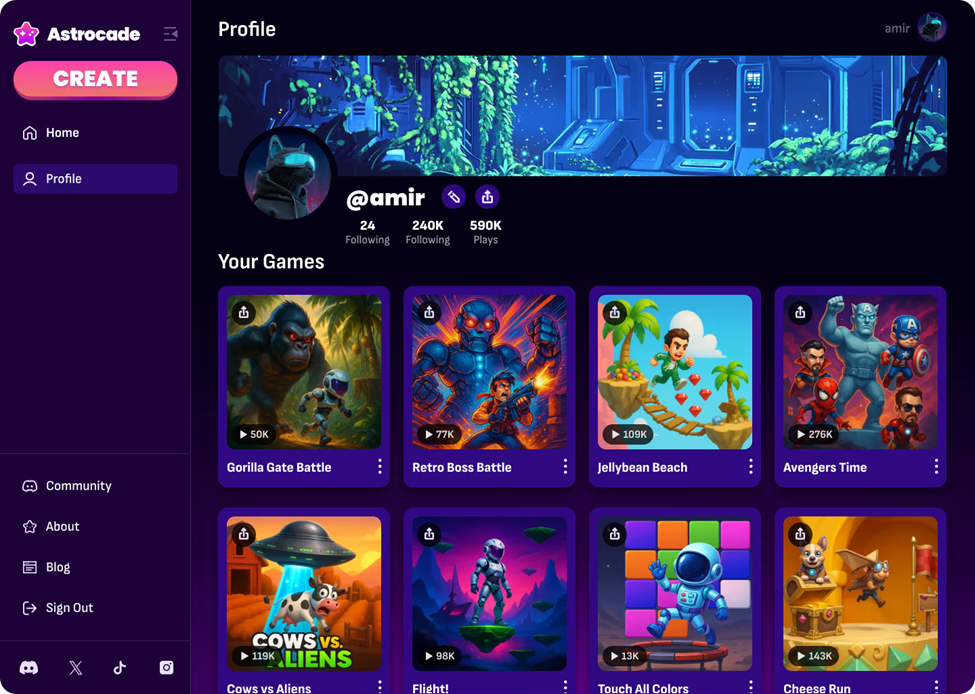
When you decide to build a game, you usually think of a single isolated release. However, the most successful developers approach their projects as an ongoing episodic series. This strategy transforms a casual one time visitor into a deeply dedicated subscriber. By breaking your grand vision down into smaller chronological chapters, you actively create a sense of continuous anticipation. If you use a modern game maker online to systematically release a brand new episode every single month, you establish a highly reliable rhythm that your audience can genuinely look forward to experiencing.
The Architecture of a Series
Planning a multi part series requires rigorous structural organization. You absolutely cannot just make things up as you go along. It is very similar to mapping out a complex entity relationship diagram for a software engineering project. You must define exactly how the player progresses from episode one to episode two. Will their digital inventory carry over? Will the central database of the application seamlessly track their previous choices? When you map out the core architecture before you actually create game mechanics, you ensure that the entire series feels like a cohesive universe rather than a disjointed collection of random ideas.
The Calming Continuity of Cosmic Bloom
To properly understand how to keep players returning without relying on frustrating narrative cliffhangers, look at Cosmic Bloom. This relaxing yet strategic game asks you to gently grow and expand cosmic life forms across the universe. It heavily emphasizes beautiful pattern growth, gorgeous space aesthetics, and calm interactive loops. If this specific concept were adapted into a series, episode one might introduce a single quiet galaxy. Episode two could introduce entirely new celestial patterns and cosmic weather events. Because the core loop is fundamentally soothing and mentally engaging, players will naturally return for the next chapter simply to experience more of that specific relaxing atmosphere.
Utilizing Modern Generative Tools
In the past, developing a sequential series was a massive logistical challenge for solo developers. Maintaining strict visual and gameplay consistency across multiple large software builds required months of technical effort and careful coordination.
Today, modern no-code game makers and generative development tools simplify this entire process. Developers can save core physics parameters, visual templates, and character logic as reusable digital assets, making production far more efficient and scalable.
When working on new episodes or updates, creators can simply duplicate an existing environment and immediately begin adding new interactive challenges, story elements, and mechanics without rebuilding the foundation from scratch.This modular approach is also widely reflected in large-scale multiplayer ecosystems like GTA 6 roleplay servers, where consistent world systems, reusable scripts, and structured gameplay frameworks help maintain stable and immersive online experiences across evolving content.
Diverse Keyword Strategies for Each Episode
Every single time you launch a new chapter, you have a brand new opportunity to actively capture organic web traffic. Instead of lazily repeating the exact same title formula for every single release, you should intelligently employ a more diverse keyword pairing strategy. Treat each episode like a highly targeted standalone article. If episode one targets spatial puzzle mechanics, episode two can focus heavily on deep narrative exploration. This varied approach ensures that your overall series continuously captures different segments of the internet audience, bringing fresh traffic into your digital ecosystem with every single launch.
Narrative Hooks and Mechanical Evolution
While a good story cliffhanger creates immediate suspense, mechanical evolution is what truly retains a dedicated audience over the long term. In your first game, the player might only know exactly how to jump and run across the digital environment. In the second installment, you introduce a grappling hook or the ability to mathematically manipulate virtual gravity. This steady introduction of brand new interactive rules keeps the digital experience from ever becoming stagnant. Players return not just to see what happens next in the story, but to actively learn and successfully master the brand new abilities you have thoughtfully provided.
Listening to the Audience Between Chapters
The absolute greatest advantage of the episodic release model is the built in feedback period. After you publish a game episode, you have a highly crucial window of time to listen to your active community before finalizing the exact logic of the next one. If players found a specific jumping puzzle in chapter one entirely too confusing, you can actively seamlessly adjust the mathematical difficulty scaling for chapter two. This highly responsive development cycle proves to your dedicated audience that you genuinely value their free time and honest input, fostering deep personal loyalty.
Maintaining Visual Cohesion
While the underlying interactive mechanics should continuously evolve, the overarching visual presentation must remain structurally consistent. If your first game features a highly minimalist geometric art style, suddenly switching to hyper realistic three dimensional textures in the direct sequel will completely alienate your core audience. You must establish a strict internal style guide for your personal digital brand. Ensure that your user interface elements, font choices, and ambient audio landscapes feel entirely intimately familiar, even as the interactive digital challenges become significantly more complex and demanding.
Cross Promotion Within the Series
Your digital portfolio should fundamentally function as a completely closed loop ecosystem. When a player successfully finishes the third episode of your game, the final victory screen should immediately present a highly visible link directly to episode four. If they are a brand new player who randomly discovered episode three first, the main title menu should politely encourage them to play the earlier chapters to properly understand the full narrative context. Smart organic cross promotion ensures that a single viral internet hit naturally elevates the overall web traffic of your entire digital catalog.
Structuring the Reward Schedule
Human psychology is heavily driven by entirely predictable reward schedules. When designing an episodic game, you must carefully mathematically balance the immediate interactive rewards of a single episode against the massive long term rewards of completing the entire overarching series. Provide small, highly satisfying victories within each individual chapter, but reserve the ultimate narrative resolution and the absolute most powerful digital upgrades for the grand final installment. This deeply layered reward system provides continuous psychological motivation to keep playing month after month.
Avoiding Feature Creep in Sequels
There is a massive dangerous temptation to make every subsequent sequel significantly larger and more complicated than the last. This dangerous habit, commonly known as feature creep, is precisely why so many highly ambitious software series are absolutely never finished. You must strictly rigidly limit the total scope of each new game. Focus on perfecting exactly one or two new mechanical additions per episode. Keeping the project scope incredibly tight guarantees that you will actually consistently hit your monthly publishing deadlines without ever suffering from severe creative burnout.
Building Anticipation with Teasers
Smart organic marketing is just as highly important as the actual software development when carefully managing a series. Two weeks before the next episode of your game goes live on the open internet, you should systematically begin publishing cryptic visual teasers and short behind the scenes development updates. Share a brief snippet of new environmental audio or an obscure screenshot of a completely new enemy type. This slow calculated drip of exclusive information builds massive community excitement and firmly ensures that you have an eager audience waiting impatiently on launch day.
Handling the Pressure of Expectations
As your digital series slowly grows in massive popularity, the public internet expectations will inevitably rise. Dedicated players will loudly demand significantly longer episodes, vastly better visual graphics, and incredibly faster release schedules. You must develop the iron mental resilience to completely ignore unreasonable internet demands and strictly successfully adhere to your own sustainable workflow. If a specific game chapter genuinely requires an extra full week of visual aesthetic polish to meet your own personal quality standards, proudly boldly take that extra time. A delayed digital masterpiece is always infinitely better than a rushed disappointment.
The Culmination of the Journey
Planning the grand finale is the absolute most critical part of an episodic series. The final chapter must seamlessly tie together all the loose narrative threads and actively demand that the player fully utilize every single digital mechanic they have carefully learned throughout the entire journey. When the final credits gracefully roll on your last game, the audience should feel a profoundly deep sense of accomplishment and genuine emotional closure. A brilliantly executed interactive finale perfectly elevates the entire series into a highly memorable cultural artifact.
Your Next Masterpiece Awaits
In absolute conclusion, building a highly sequential series is the ultimate test of digital architectural endurance. It deeply requires careful database logic planning, smart varied keyword variation, and an unwavering firm commitment to continuous human iteration. By successfully leveraging modern generative web tools, you can easily maintain strict visual consistency and focus entirely on crafting deep, highly engaging interactive loops. Open your internet web browser, outline your very first episodic digital project, and begin enthusiastically building a massive virtual universe that your dedicated players will actively want to revisit for many consecutive years to come.