In football, first touch is one of the most crucial skills that separates good players from great ones. It determines how effectively a player can control the ball under pressure and set up the next move. Mastering a perfect first touch requires timing, awareness, and precise technique. This article explores how players can improve their first touch to perform more confidently and efficiently in real match situations, enhancing overall gameplay performance and decision-making on the pitch.
Why First Touch Is Important In Modern Football
In modern football, where the pace of the game is extremely fast, first touch plays a crucial role in determining a player’s effectiveness on the pitch. A good first touch allows players to control the ball quickly, create space, and make better decisions under pressure. It helps reduce the time opponents have to close down, giving players a tactical advantage in tight situations. With Xoilac HD, fans can clearly observe how top players use their first touch to dictate the rhythm of the game and maintain possession. Ultimately, mastering this skill is essential for improving overall performance and competing at a higher level.
Key Principles Of A Perfect First Touch
Game prediction today often focuses on tactical performance and key player skills that can influence match outcomes, and one of the most decisive abilities in football is the first touch. To master it, players must understand the core principles that help them control the ball efficiently, maintain balance, and prepare for the next action in any game situation.
Body Positioning And Spatial Awareness
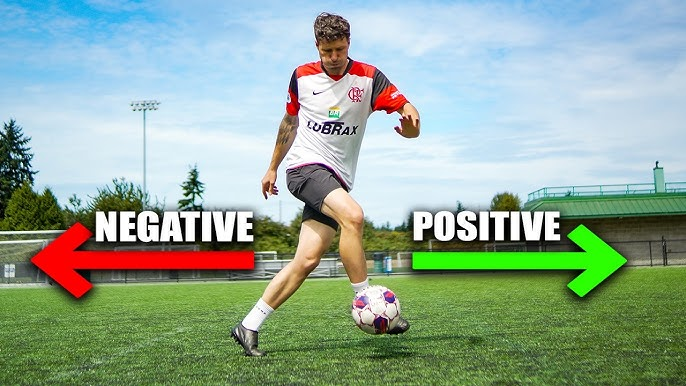
A perfect first touch starts with correct body positioning. Players should always position themselves in a way that allows them to see both the ball and surrounding opponents. Slightly opening the body helps receive the ball on the strongest foot and gives more options for the next move. Spatial awareness is equally important, as it allows players to anticipate pressure and choose the safest or most effective direction for their first touch. Without proper positioning, even simple passes can become difficult to control.
Soft Touch And Ball Cushioning
Another key principle is the ability to “cushion” the ball. Instead of stopping it abruptly, players should absorb its momentum by relaxing their muscles at the moment of contact. This soft touch ensures better control and prevents the ball from bouncing away. Different situations require different levels of cushioning—fast passes may need a stronger absorption, while slow passes require minimal adjustment. Mastering this technique significantly improves stability under pressure.
Choosing The Right Surface Of The Foot
Using the correct part of the foot is essential for executing a perfect first touch. The inside of the foot offers maximum control, the outside helps in quick directional changes, and the sole is useful for stopping or dragging the ball. In more advanced situations, players may also use the instep or thigh depending on the ball’s height and speed. Selecting the right surface quickly and instinctively is what separates average players from highly skilled ones.
Techniques To Improve First Touch
Improving first touch requires consistent training, focus, and the right set of practical exercises. Players at all levels can enhance their control and confidence by applying specific techniques that simulate real match situations and gradually increase difficulty over time.
Wall Passing And Rebound Drills
One of the most effective techniques to improve first touch is practicing with a wall. By passing the ball against a wall and controlling its return, players can develop faster reaction time and better coordination. This drill helps simulate quick passes in real matches and forces players to adjust their body position instantly. To make it more advanced, players can vary the speed and angle of their passes or use both feet alternately, which improves adaptability and control under different conditions.
First Touch Under Pressure Exercises
Training under pressure is essential for match readiness. Players can practice first touch drills with a teammate applying light defensive pressure. This helps replicate real game situations where time and space are limited. The goal is to control the ball quickly while making a smart next move, such as passing or dribbling away from pressure. Increasing intensity gradually will improve composure and decision-making speed during competitive matches.
Aerial Ball Control Practice
Aerial control is another important technique to master. Players should practice receiving high balls using the chest, thigh, and feet while maintaining balance. This improves adaptability to different pass types and enhances overall ball control. Practicing with varying heights and speeds helps players become more comfortable handling unpredictable situations in real games. Over time, this builds confidence and allows smoother transitions from receiving the ball to executing the next action.
Common Mistakes Players Make
Many players struggle to develop a consistent first touch because they repeat simple but damaging mistakes during training and matches. Understanding these errors is the first step toward improving control and overall performance on the pitch.
- One of the most common mistakes is overpowering the ball. Instead of cushioning the pass, players often hit or stop it too hard, causing the ball to bounce away and lose control. Another frequent issue is poor body positioning, where players receive the ball while standing flat or not facing the play, making it harder to react quickly.
- Players also tend to ignore scanning before receiving the ball, which reduces awareness of pressure and available space. Without looking around, they are more likely to make rushed or incorrect decisions. Lastly, many players rely too much on their dominant foot, limiting flexibility and predictability in real-game situations.
By correcting these mistakes through consistent practice, players can significantly improve their first touch and become more confident in high-pressure moments.
Conclusion
A perfect first touch is a fundamental skill that greatly influences a player’s overall performance in football. It helps improve control, speed of play, and decision-making in high-pressure situations. By understanding the key principles, practicing effective techniques, and avoiding common mistakes, players can steadily enhance their ability. With consistent training and focus, mastering first touch becomes achievable and can significantly elevate performance on the pitch.