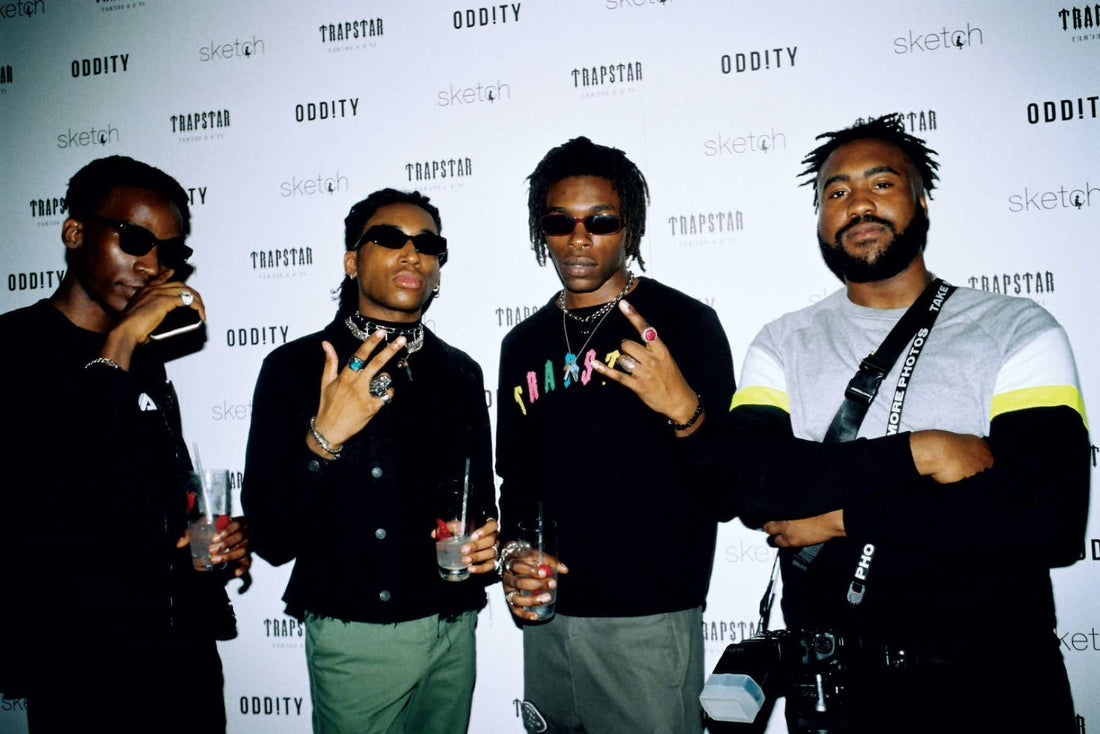
Streetwear has evolved from niche fashion into cultural history, and many collectors now describe certain pieces as modern heirlooms. When discussing this shift, enthusiasts often point to how Trapstar clothing represents more than seasonal style. The brand gained influence through music, community identity, and limited releases, which gave Trapstar garments emotional value beyond fabric. People hold onto jackets and hoodies the same way earlier generations kept watches or jewelry. Because these items connect memories, achievements, and personal growth, they begin to feel timeless rather than temporary, making them worthy of being passed from one generation to the next today proudly.
Stories Matter More Than Price Tags
Fashion historians often explain that heirlooms are defined by stories, not price tags, and that idea fits perfectly when Trapstar apparel enters the conversation. Fans remember where they were when they bought a jacket, who inspired the purchase, or which song made Trapstar designs feel meaningful at the time. Emotional context transforms clothing into something closer to a personal archive. As years pass, the wear and fading on fabric act like timestamps, proving the garment lived alongside its owner, which is why many people hesitate to sell pieces that still carry moments from important chapters of their own lives today.
Limited Drops Create Lasting Value
Limited production has always influenced collectability, and the same rule applies when Trapstar releases arrive in small quantities that disappear within minutes online. Scarcity creates urgency, yet it also builds long term respect because owning Trapstar items feels like holding proof of a specific moment in street culture. Unlike fast fashion, these drops are remembered years later, especially when collaborations or early logos become impossible to find. Collectors talk about past releases the way sneaker fans discuss legendary pairs, turning clothing into artifacts that symbolize an era rather than just something worn for a single short passing trend today worldwide.
Music Culture Turned Clothing Into History
Music culture played a huge role in shaping the reputation that makes Trapstar pieces feel historic, even while they are still modern. When artists wore Trapstar during breakthrough moments, fans connected those outfits to songs, concerts, and personal memories happening at the same time. Clothing linked to soundtracks of people’s lives rarely loses meaning. Instead, it gains deeper significance as listeners grow older and revisit the eras that shaped them. Because of this connection, garments become reminders of identity, ambition, and youth, which explains why owners often store them carefully instead of treating them like ordinary everyday fashion pieces today.
Community Identity Builds Emotional Attachment
Community identity also contributes to the heirloom feeling, especially in cities where brands like Trapstar and Stussy became part of local expression rather than just labels on clothing. People who grew up seeing friends wear Trapstar or Stussy during important milestones associate the brand with belonging and shared experience. Years later, the same hoodie can remind someone of school days, first jobs, or nights spent chasing dreams with close friends. Items connected to collective memories rarely feel replaceable. They represent a time and place that cannot be recreated, which is why owners often keep them stored safely even after trends move somewhere completely different now.
Durability Helps Pieces Survive Generations
Another reason collectors talk about modern heirlooms is durability, since quality materials allow Trapstar pieces to survive years of regular wear without losing their character. When people notice that old Trapstar jackets still look good after a decade, they start treating them with the same respect given to vintage denim or leather boots. Longevity changes the relationship between owner and clothing because the item proves it can stay relevant beyond trends. Over time, the garment becomes a witness to personal history, quietly present through different stages of life, which gives it strong sentimental, lasting emotional meaning for many dedicated fans.
Resale Culture Reinforces the Heirloom Idea
Resale markets have strengthened the idea of fashion heirlooms because older streetwear now holds surprising value among collectors worldwide. When a rare Trapstar release appears online years later, buyers often pay far more than the original price, not only for the design but for the story attached to it. Value created by demand makes owners think twice before letting pieces go. Instead of treating clothing as disposable, they begin to see it as something worth protecting, storing, and eventually passing down, especially if the item represents a turning point in their personal life story and memories stay meaningful forever today.
Social Media Keeps Old Pieces Relevant
Social media has also changed how people view sentimental clothing, since photos from years ago constantly remind owners of what they wore during meaningful events. Seeing an old picture with a favorite Trapstar hoodie can instantly bring back the atmosphere of that day, making the garment feel like a physical memory rather than simple fabric. Digital nostalgia encourages people to keep items longer because throwing them away feels like deleting part of their own timeline. As a result, certain pieces stay in closets for decades, waiting to be worn again or shared with younger family members in future years ahead.
Consistent Design Keeps Older Releases Alive
Design consistency is another factor that helps streetwear age gracefully, because recognizable graphics allow older releases to remain relevant long after trends shift. A classic Trapstar logo from years ago still feels connected to current collections, which makes earlier pieces look less outdated than typical fashion. When styles maintain a clear identity, they create a timeline that fans can follow through different periods of their lives. This continuity gives clothing historical depth, allowing owners to look back at what they wore before and understand how both taste and personal experiences slowly changed over many passing years with meaning attached always.
When Fashion Becomes Something to Pass Down
In the end, modern heirlooms are created when emotion, culture, and time meet in the same object, turning everyday fashion into something worth keeping. For many fans, a single Trapstar jacket can represent ambition, friendships, music, and the environment that shaped their identity while growing up. When clothing carries that much meaning, it stops being temporary and starts feeling permanent. People protect it, repair it, and eventually share it with someone younger who understands the story behind it, proving that streetwear can hold the same lasting importance once reserved for traditional family heirloom treasures passed carefully between generations over time.